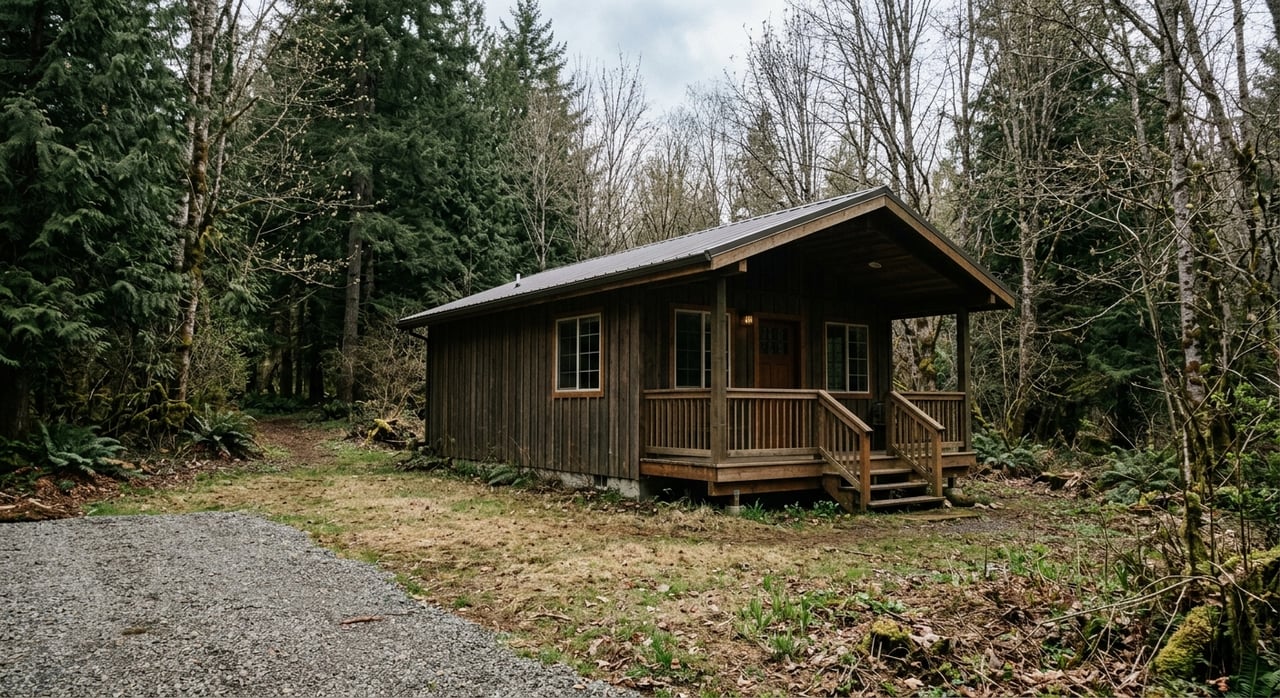
Dreaming about a place near the lake where you can slow down, unplug, and make the most of every season? Buying a second home near Conesus, NY can be a smart lifestyle move, but it comes with a different set of rules than buying your primary residence. If you want to enjoy the area without getting surprised by financing, taxes, insurance, or rental details, a little planning goes a long way. Let’s dive in.
Why buyers choose Conesus
Conesus Lake has a clear second-home appeal because it offers year-round recreation in Livingston County and sits about 30 minutes south of Rochester. Livingston County describes the area as a destination for fishing, sporting activities, and outdoor recreation, which makes it especially attractive if you want a getaway built around lifestyle.
That matters because a second-home purchase near Conesus is often less about your daily commute and more about how you want to use the property. You may be looking for summer weekends by the water, a quiet winter retreat, or a flexible property you can enjoy across the seasons.
Define your second-home goals first
Before you start touring homes, decide how you want the property to function. This one choice can shape your financing options, your budget, and the kind of home that makes the most sense.
Ask yourself whether you want the home to be:
- A year-round retreat you can use comfortably in every season
- A mostly seasonal getaway with simpler use patterns
- A part-time personal property that you may also rent out at certain times
When you get clear on your goals early, it becomes much easier to sort through listings and focus on the homes that truly fit your plan.
Second-home financing works differently
Buying a second home is not exactly the same as buying your primary residence. Fannie Mae states that a second home must meet several conditions, and those rules can affect what kind of property qualifies.
In general, a second home must be:
- Occupied by you for some portion of the year
- A one-unit dwelling
- Suitable for year-round occupancy
- Under your exclusive control
- Not a rental property or a timeshare
There is an important detail here for buyers near Conesus. A property may have some rental use and still meet second-home rules, but rental income cannot be used to qualify if the property otherwise fits the second-home category.
That is why it helps to talk through your intended use before making an offer. If you are buying mainly for personal enjoyment, your financing path may look different than it would for a property intended primarily for income.
Budget for taxes with care
Second-home taxes can catch buyers off guard if they assume the same benefits apply as they do at a primary residence. In New York, STAR eligibility is tied to a primary residence, so a second home near Conesus should not be budgeted with STAR savings in mind.
That one point can make a meaningful difference in your annual ownership costs. If you are comparing a primary home budget to a second-home budget, be careful not to carry over exemptions or savings that do not apply.
Local timing matters too. In Conesus, the assessor states that taxable status is set as of March 1, and local assessments feed the property tax bills used by local governments and school districts.
If you are buying close to tax deadlines or planning around future carrying costs, this is a good date to keep on your radar. It can help you understand how the property may be assessed and how that fits into your ownership timeline.
Know the possible tax deductions
A second home may still offer some tax advantages, but you should think of those as rules-based benefits, not automatic savings. IRS Publication 530 says mortgage interest can be deductible on a main home or a second home if the loan is secured by that home and the proceeds meet deduction requirements.
The key takeaway is simple: do not assume every expense on a second home is treated the same way as on your primary residence. It is wise to budget conservatively and then confirm your specific tax treatment based on how the property is financed and used.
Prepare for seasonal maintenance
Near Conesus, your second home may sit vacant for stretches of time, especially if you only use it on weekends or during part of the year. That makes seasonal maintenance a bigger part of ownership than many buyers first expect.
New York DHSES recommends that homeowners:
- Insulate exposed pipes
- Caulk and weather-strip doors and windows
- Insulate walls and attics
- Test smoke and carbon-monoxide alarms
- Inspect chimneys and heating equipment annually
- Keep snow-removal supplies on hand
These are smart steps for any Upstate New York property, but they are especially important for a second home that may not be checked every day. A home that is comfortable in July still needs to be protected in January.
Check well water and utility needs
Some homes in the Conesus area may rely on private wells rather than public water. If that is true for the property you are considering, water testing should be part of your due diligence.
The New York State Department of Health recommends testing private wells for bacteria at least once a year and testing for other contaminants every three to five years. It also recommends retesting after floods, maintenance, or noticeable changes in water quality.
For a second-home buyer, that is important because water issues can go unnoticed when a property is vacant. A home that looks great during a showing still needs reliable systems behind the scenes.
Do not overlook flood insurance
Lake-area buyers often focus on views, access, and seasonal fun, but insurance deserves equal attention. New York DFS says flood damage is not covered by a standard homeowners policy.
Flood coverage is usually purchased separately through the National Flood Insurance Program, and it can be bought even outside a floodplain. DFS also notes that policies normally have a 30-day waiting period.
That timing matters if you want protection in place by a certain season. Near a lake, flood risk can also include erosion or collapse along the shore, so it is smart to treat this as a serious planning item, not an afterthought.
Expect insurance costs to stand on their own
Insurance for a second home should be treated as its own budget category. According to New York DFS, homeowners insurance cost can vary based on location, the age and type of building, how the building is used, deductibles, and coverage amount.
In other words, do not estimate insurance by simply copying the premium from your primary home. A lake-area property, an older cottage, or a home used part-time may each carry different cost considerations.
Renting the home changes the picture
Some buyers want a second home for personal use and also hope to rent it out when they are not there. That can be possible, but it changes how you need to think about financing, taxes, and local compliance.
For taxes, the IRS says a dwelling is treated as a residence if your personal use exceeds the greater of 14 days or 10% of the days rented at fair market value. If the property is rented for fewer than 15 days during the year, the rental income is not reported and rental expenses are not deducted as rental expenses.
If the home is used for both personal and rental purposes, expenses generally must be split between those uses. This is one more reason to decide early whether the property is mainly a getaway, mainly an income property, or a true mix of both.
Understand New York short-term rental taxes
If you plan to rent your second home, state and county tax rules matter. New York imposes state and local sales tax on short-term rental unit occupancy when the rate is more than $2 per day, and operators and booking services are generally responsible for registration, filing, and collection.
On top of that, Livingston County adds a 3% occupancy tax on hotels, motels, tourist homes, cottages, condominiums, bed and breakfasts, and short-term or vacation rentals. The county also states that effective March 2026, all short-term rental operators must register each property through the county’s online platform.
Using a booking platform does not remove the registration or quarterly filing obligation. If rental income is part of your plan, these local rules should be part of your upfront budget and decision-making.
Verify allowed use before you buy
If you hope to use a second home near Conesus as a rental, do not assume every property can be advertised that way. The Town of Conesus has code-enforcement and planning-board resources, and its planning board reviews impacts on surrounding properties and conformance with zoning laws.
That means it is wise to verify permitted use with town officials before you move forward with a rental-based plan. This is especially important if the numbers only work for you when the property generates income.
A smart buying approach near Conesus
The smoothest second-home purchases usually start with a realistic plan. When you know how you want to use the home, you can better evaluate whether a property fits lender rules, maintenance expectations, insurance needs, and possible rental obligations.
For many buyers, the biggest due-diligence items near Conesus are:
- Occupancy rules for second-home financing
- Primary-residence tax benefits that may not apply
- Winterization and seasonal upkeep
- Flood insurance and shoreline-related risk
- Well testing, if applicable
- State and county tax rules for rentals
- Town-level confirmation of allowed use
A second home near Conesus can be a wonderful way to enjoy the Finger Lakes lifestyle. The key is making sure the home works for your real-life plans, not just for a great weekend showing.
If you are thinking about buying a second home near Conesus, local guidance can make the process much clearer. Aimee Campbell can help you evaluate properties, compare your options, and move forward with confidence in Livingston County.
FAQs
What makes Conesus appealing for a second home?
- Conesus Lake offers year-round recreation, including fishing and sporting activities, and it is located about 30 minutes south of Rochester, making it appealing for lifestyle-driven second-home use.
What qualifies as a second home near Conesus, NY?
- Under Fannie Mae rules, a second home generally must be a one-unit dwelling that you occupy for part of the year, that is suitable for year-round use, under your exclusive control, and not a rental property or timeshare.
Can you get STAR tax savings on a second home in Conesus?
- No. New York STAR eligibility is tied to a primary residence, so buyers should not expect STAR savings on a second home near Conesus.
What seasonal maintenance should you plan for in a Conesus second home?
- New York recommends insulating exposed pipes, weather-stripping doors and windows, insulating walls and attics, testing smoke and carbon-monoxide alarms, inspecting chimneys and heating systems annually, and keeping snow-removal supplies ready.
Do you need flood insurance for a second home near Conesus Lake?
- Standard homeowners insurance does not cover flood damage, according to New York DFS, so buyers should consider separate flood coverage and remember that it usually comes with a 30-day waiting period.
What should you know about renting out a second home near Conesus?
- Renting can trigger tax, registration, and filing obligations. New York applies state and local sales tax to qualifying short-term rentals, and Livingston County adds a 3% occupancy tax and registration requirements for short-term rental operators effective March 2026.
Should you verify rental rules before buying a Conesus second home?
- Yes. If you plan to rent the property, it is wise to confirm allowed use with Town of Conesus officials before buying, since local planning and code resources review zoning conformance and related impacts.