Thinking about moving within Lima can feel simple at first. You already know the area, the roads, and the rhythm of daily life. But when you start matching your current home, your equity, your timing, and the next place you want, the process can get complicated fast. This guide will help you think through the key moving pieces so you can make a smart plan for your next move in Lima. Let’s dive in.
Why a Lima-to-Lima Move Takes Planning
A local move is still a major financial and personal decision. Even if you are staying in the same town, you are still balancing your sale price, your next purchase, monthly costs, and a fast-moving market.
Lima is a small town in Livingston County with about 4,118 residents. Census Reporter shows a median household income of $87,130 and a median owner-occupied home value of $220,200. Those numbers help frame why many homeowners are asking whether it makes sense to move up, downsize, or simply find a home that fits better.
The local market also leaves less room for delay. Recent data shows a low-inventory environment, with Realtor.com listing 13 active homes in Lima as of June 2026. Other market sources point to homes selling quickly, often close to asking price or above it.
Start With Your Why
Before you look at listings, get clear on what is pushing your move. Your next step should solve a real problem or support a real goal, not just respond to market noise.
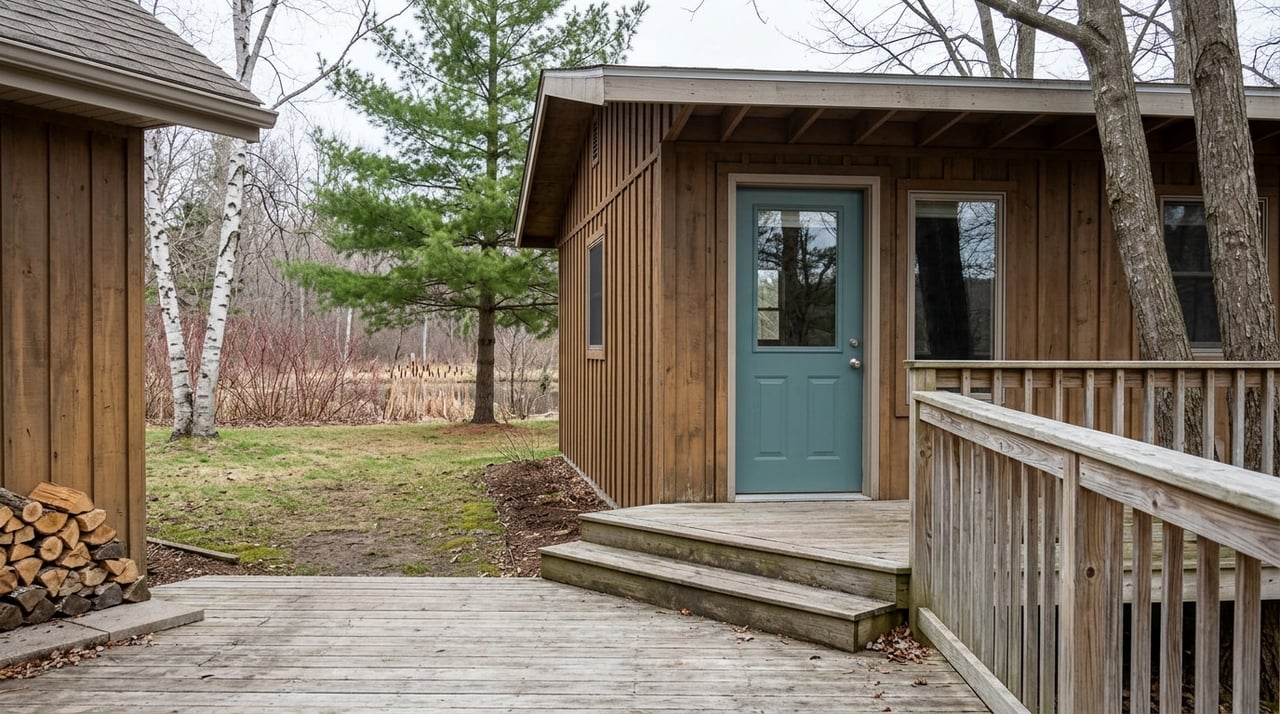
You may need more room for a growing household. You may want less upkeep, one-floor living, or a simpler layout. You may also want a different setting, like more land and privacy or easier access to the village center.
Lima’s housing choices make that question especially useful. The town’s planning focus includes agriculture, open space, efficient infrastructure, and downtown development, which means buyers often weigh rural features against village convenience.
Check Your Equity First
If you own your home now, equity is one of the first numbers to understand. As you pay down your mortgage principal, you build equity, while taxes and insurance are usually separate parts of the monthly payment.
That matters because your available equity can shape your down payment, your closing flexibility, and how much risk you can comfortably take on in a two-step move. It also helps you estimate whether selling now gives you enough room to buy the next home you want.
Monthly carrying costs are another part of the picture. In Livingston County, the median monthly owner cost is $1,563 with a mortgage and $670 without one. A move can shift those numbers in a big way, especially if you are trading a lower payment for a higher-priced home or vice versa.
Review Taxes and Assessments Early
One practical local step is checking the Town of Lima assessor resources before you make decisions. The assessor page includes 2026 tentative and final roll materials, comparable 2026 Lima reval sales, grievance forms, and exemption forms for qualifying homeowners.
That information can help you think through your current assessment, possible tax burden, and how your home may compare with recent local sales. It is also useful if you are choosing between staying put, improving your current property, or moving to a different home in town.
If you are buying your next home in Lima, taxes and assessment history should be part of your side-by-side comparison. A home’s price is only one piece of affordability.
Understand Lima’s Fast Market
If your next move depends on both selling and buying, speed matters. Recent Lima and Livingston County market data points to homes going pending or selling in roughly 8 to 16 days, depending on the source and metric.
Redfin reports a Lima median sale price of $365,000 over the last three months, with about 12 days on market and an average sale 12.3% above list. County-level sources also describe a seller’s market, though each source measures it a little differently.
The big takeaway is simple. You should expect limited inventory, quick decisions, and strong competition for well-priced homes.
Know Your Replacement Price Range
One of the biggest mistakes in a same-town move is focusing only on what your current home might sell for. You also need to understand what your replacement options may cost in the same market.
Recent Lima closed sales reported by Redfin included $261,000, $332,000, $350,000, and $400,000 in late spring and early summer 2026. That gives you a rough local band to think about when planning your next purchase.
This does not mean every available home will fit neatly in that range. It does mean you should compare your likely net proceeds with the kind of property, size, lot, and location you want next.
Decide Between Village and Rural Living
For many Lima homeowners, the next move is not just about square footage. It is about how you want to live day to day.
Some buyers want more open space, outbuildings, privacy, or room for hobbies and equipment. Others want the convenience of the village center, easier access to services, or a more compact lot with less upkeep.
Connectivity can also matter. The Village of Lima reports that fiber internet is live in the village, which may be an important filter if you work from home or rely on strong internet service.
Match the Home to Your Household
Your current home may no longer fit the way you live. Lima has 1,536 households and 1,670 housing units, with an average household size of 2.5 people, and Livingston County has a sizable older population, with 23.2% of residents age 65 or older.
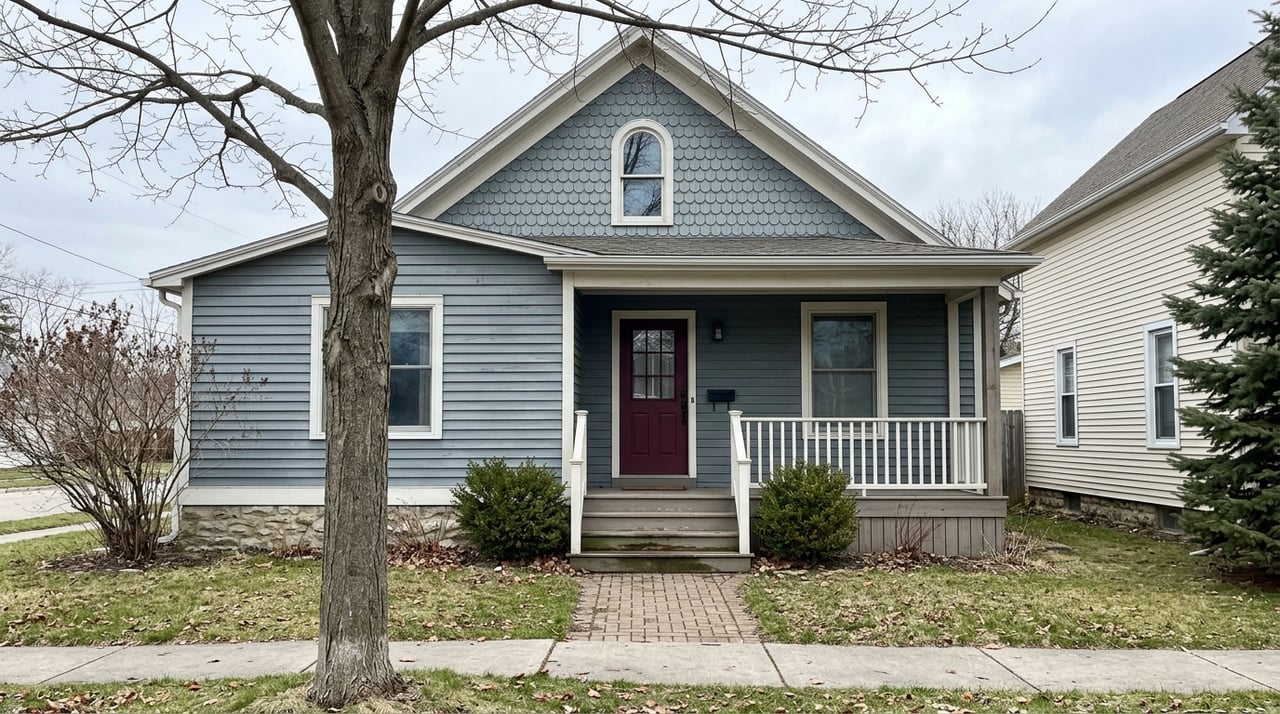
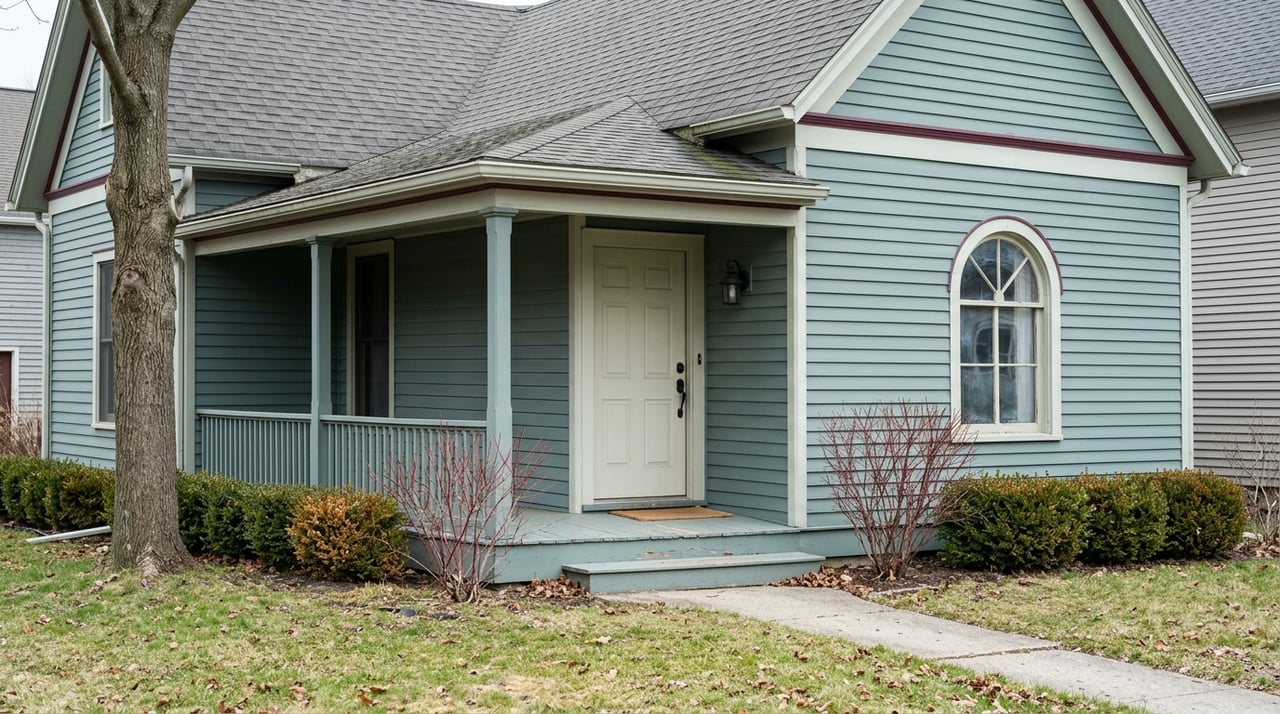
That local profile is one reason both move-up and downsizing decisions are common. Some homeowners need extra bedrooms, more flexible living space, or a better yard setup. Others want fewer stairs, less maintenance, or a simpler floor plan.
When you plan your move, focus on function first. Think about the features that will still serve you well a few years from now, not just what feels urgent today.
Get Your Finances Ready to Buy
If you plan to buy again in Lima, your financial prep matters just as much as your home search. CFPB recommends getting your money situation in order, checking your credit, tracking spending, avoiding new debt before you buy, and getting a preapproval letter.
That preapproval can be especially important in a market where homes move quickly. CFPB also notes that sellers often require preapproval before accepting an offer.
If you want extra guidance, HUD and CFPB both point buyers toward HUD-approved housing counselors. For some households, that outside support can help make the plan feel more manageable.
Build One Linked Timeline
The smartest way to handle a Lima move is to treat the sale and purchase as one connected plan. If you think of them as two separate transactions, timing gaps and surprises can become much harder to manage.
A sell-first plan can reduce uncertainty because you will have a clearer idea of your proceeds before you buy. A buy-first plan may offer more flexibility in finding the next home, but it requires confidence in handling two housing payments or another financing solution.
In a quick market, details matter. You need a plan for listing prep, showing readiness, offer review, inspections, closing dates, and move-out timing before your home hits the market.
A Simple Lima Move Checklist
Here is a practical way to start planning:
- Define why you want to move
- List your must-have features for the next home
- Review your mortgage balance and estimated equity
- Check Town of Lima assessment and tax resources
- Study likely replacement price ranges in Lima
- Get preapproved before you actively shop
- Decide whether selling first or buying first fits you better
- Build one timeline for both transactions
Each of these steps helps reduce stress. Together, they give you a clearer picture of what is realistic and what timing makes sense.
Local Guidance Makes a Difference
In a small, fast-moving market, local detail matters. Assessment records, recent comparable sales, village-versus-rural preferences, and realistic pricing all play a role in whether your move feels smooth or rushed.
That is why it helps to work with someone who understands how Lima fits into the wider Livingston County market. A thoughtful plan, strong communication, and clear expectations can make a same-town move much easier to manage.
If you are thinking about your next move within Lima, Aimee Campbell can help you understand your options, estimate your home’s value, and build a plan that fits your goals.
FAQs
What should you evaluate before moving within Lima, NY?
- Start with your reason for moving, your available equity, your likely monthly costs after the move, your tax and assessment picture, and the price range for homes that fit your next stage of life.
How fast do homes sell in Lima, NY?
- Recent market sources show Lima and Livingston County homes often go pending or sell in roughly 8 to 16 days, with limited inventory and strong competition for well-priced homes.
How can you estimate your next home budget in Lima, NY?
- Review your mortgage balance, estimate your sale proceeds, compare recent Lima sales, and account for taxes, insurance, and closing costs so you understand what payment and price range feel comfortable.
Should you sell first or buy first when moving within Lima, NY?
- A sell-first plan can give you more certainty about your proceeds, while a buy-first plan may offer more shopping flexibility if you can comfortably manage the added financial risk and timing pressure.
What local resources can help with a Lima, NY move?
- The Town of Lima website is a helpful place to review assessor materials, tax-related information, planning resources, zoning details, and other local property information before you make a move decision.