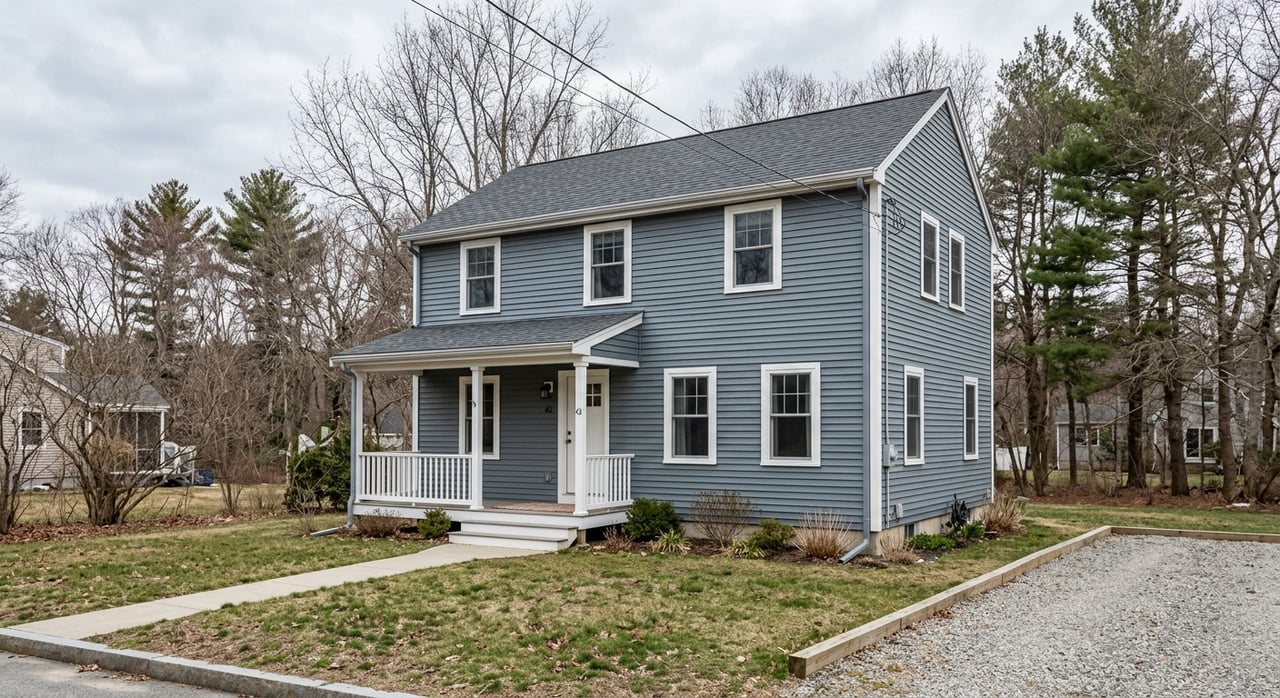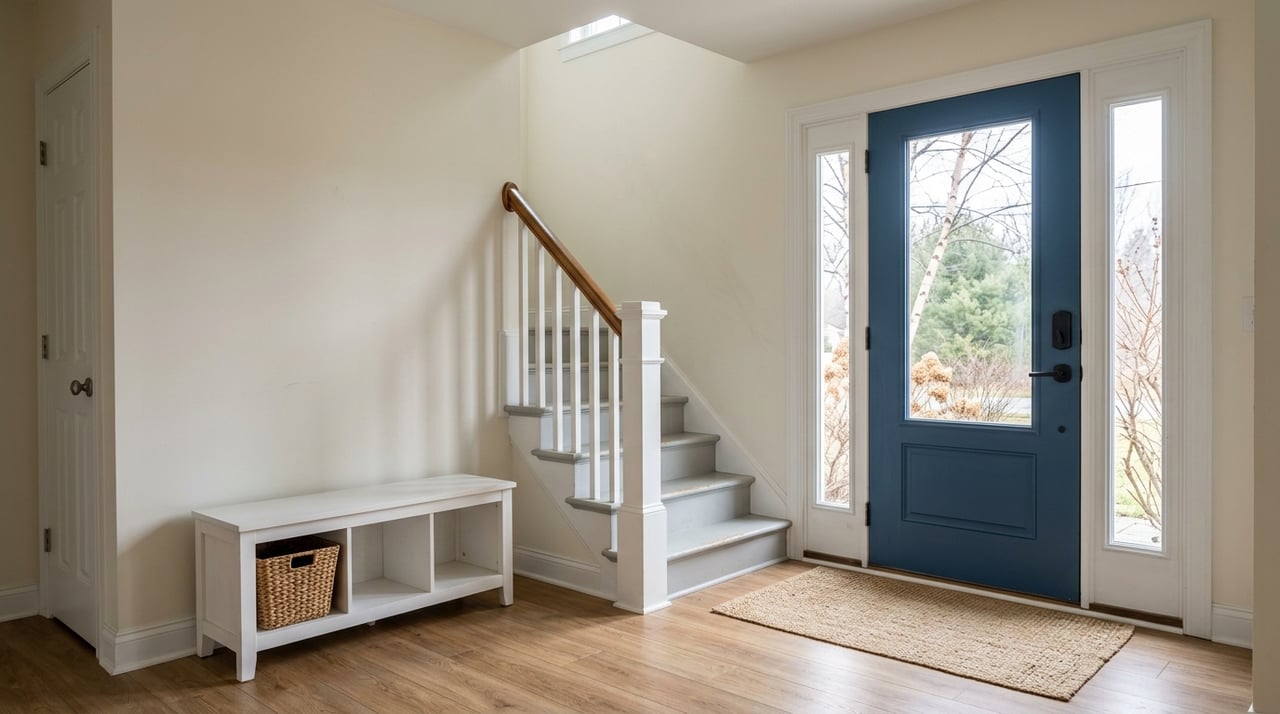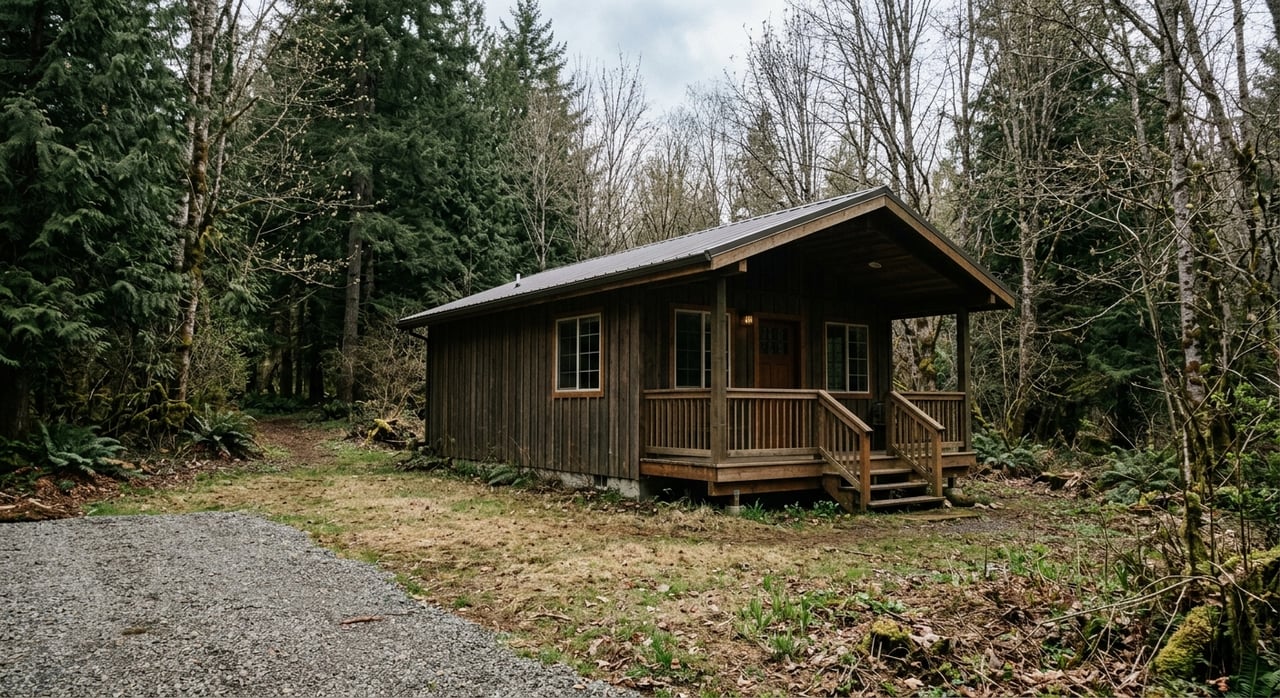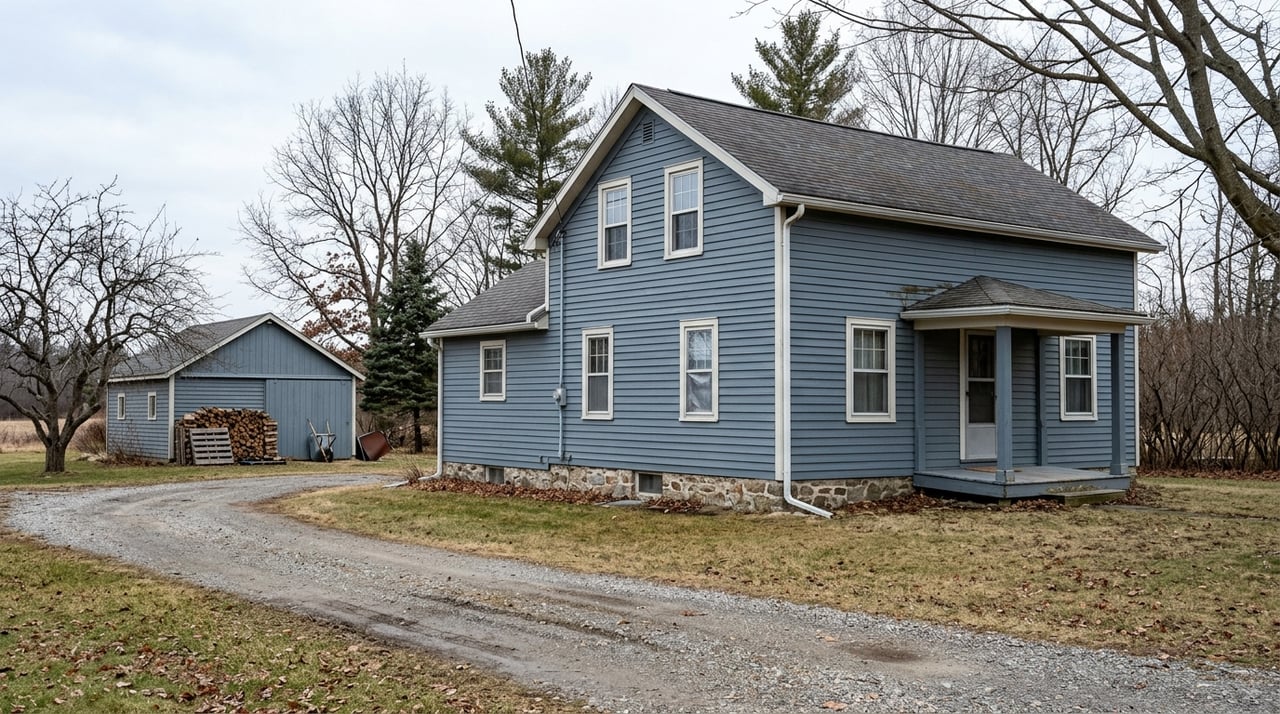
Dreaming about a classic farmhouse with a porch, a barn, and a little breathing room in Nunda? Older farmhouses can offer character and flexibility, but they can also come with systems, structures, and land-use questions that are easy to miss if you focus only on the house itself. If you are thinking about buying one, this guide will help you look at the full property with clear eyes so you can make a smart move. Let’s dive in.
What an older Nunda farmhouse often includes
In Nunda, an older farmhouse is often more than a single home on a lot. Many of these properties are better understood as farmsteads, meaning you may see a main house plus a barn, smaller outbuildings, and some remaining acreage or woodlots.
You may also find features tied to older agricultural use. That can include a kitchen ell, a basement cellar, spring houses, corn cribs, granaries, root cellars, milk houses, poultry houses, silos, or machine sheds. Even if those structures are no longer used the way they once were, they still affect maintenance, insurance questions, and how you evaluate the property.
Why zoning matters in Nunda
Before you fall in love with the setting, it helps to understand local zoning. In Nunda, accessory buildings are regulated by district, and rules for detached accessory buildings, setbacks, and livestock use can vary by location.
One local point that stands out is the five-acre threshold. According to the Village of Nunda zoning law, keeping livestock outside a farming operation or county agricultural district generally requires a five-acre parcel. If your plans include animals, extra structures, or changing how the property is used, that is worth checking early.
Questions to ask about property use
- Are the barn and other outbuildings allowed as they currently exist?
- Are there permits or approvals on file for accessory buildings or fences?
- If you want livestock, does the parcel size and location support that use?
- Are setback rules likely to affect future additions or repairs?
Inspect the house and outbuildings separately
One of the biggest mistakes buyers make with older rural properties is assuming one home inspection covers everything. In New York, a home inspection is a visual, non-exhaustive review of readily accessible systems and components. It covers items such as drainage near the foundation, structural components, exterior walls, windows, roofing materials, flashing, gutters, and chimneys.
Just as important, a standard New York home inspection does not determine code compliance or property boundaries. It also does not require inspection of detached structures other than garages and carports. That means a barn, silo, shed, workshop, or other outbuilding may need its own evaluation.
What to look for in barns and outbuildings
Historic barn guidance points to water as the single greatest cause of deterioration. Roof leaks, poor grading, failing gutters and downspouts, insects, and foundation movement are all recurring concerns.
If you notice major masonry cracks, leaning walls, sagging rooflines, or visible rot, it may be wise to bring in a structural engineer. On an older farmhouse property, the barn and outbuildings are not side notes. They are separate assets with separate risks.
Focus on water, septic, and drainage early
For many farmhouse purchases, the well and septic system matter just as much as the square footage. If the property has a private well, New York recommends testing it at least once a year for bacteria and every three to five years for other contaminants. Retesting is also recommended after floods or any change in taste, smell, or appearance.
Livingston County Environmental Health provides education for private water users and offers technical help related to septic-system operation and maintenance. If a new septic system is needed, the county process includes a licensed engineer, soil and percolation testing, county review, and permit approval.
Smart well and septic questions
- When was the well last tested?
- When was the septic system last serviced, repaired, or inspected?
- Have there been any recent drainage issues on the site?
- Is there paperwork for past septic work or permits?
Know how financing can affect due diligence
If you are using financing, your loan type may shape what needs to happen before closing. For FHA financing, HUD policy requires a valid water test from the local health authority or a lab acceptable to that authority. FHA minimum property standards also address separation between a well and a septic tank or drain field.
If you are considering USDA financing, the property must be in an eligible rural area. That can be a helpful option for some buyers in this part of Livingston County, but the address should be checked for eligibility early in the process.
Why this matters before you make an offer
Financing issues can affect timing, repairs, and even whether a deal moves forward. If water testing, site layout, or property-condition items are likely to come up in underwriting, you want to know that before you are too far in.
That does not mean older farmhouses are hard to finance. It means they reward buyers who ask clear questions upfront and plan their due diligence around the property’s actual setup.
Watch for older-home health and safety issues
Many older farmhouses were built before 1978, which means lead-based paint may be present. If you plan to repaint, remodel, open walls, or disturb older painted surfaces, lead-safe work practices matter because renovation and repair can create hazardous lead dust.
New York also notes that lead can remain a concern through plumbing materials, even when a home uses a private well. If you are buying an older property and planning improvements, it helps to think about lead risk before demo day, not after.
Radon deserves a place on your checklist
Radon testing is also a sensible step, especially if you plan to use the basement as living space. New York State recommends fixing homes at 4 pCi/L or higher, and Livingston County Environmental Health offers free radon kits to residents.
This is one of those tests that can give you peace of mind without adding much complexity. In an older farmhouse with a cellar or basement, it is a practical part of due diligence.
Plan for comfort and energy updates
Older farmhouses often have charm, but they can also have drafts, uneven temperatures, and moisture issues. NYSERDA notes that air sealing and insulation upgrades can help address those problems.
If the home feels cold in one room and stuffy in another, that does not always mean the property is a bad buy. It may simply mean you should budget for improvements that make the house more comfortable and efficient over time.
The best way to evaluate the whole property
When you buy an older farmhouse in Nunda, it helps to think in four parts instead of one. Look at the main house, the land, the well and septic, and the detached structures as separate pieces of the same purchase.
That framework keeps you from overvaluing a pretty exterior or underestimating a costly issue. In rural properties, the systems around the home can matter every bit as much as the home itself.
A practical offer-stage checklist
Before you commit, ask questions that match how these properties really work.
- Was the barn, shed, silo, or shop included in the inspection, or excluded?
- Do any outbuildings need a separate structural, electrical, or roof review?
- Are permits or approvals on file for accessory buildings, fences, or livestock use?
- When were the well and septic system last tested, serviced, or repaired?
- If you are using FHA or USDA financing, could water tests, site issues, or repairs affect underwriting?
- Are you planning basement finishing, kitchen work, or repainting that may require lead-safe practices?
- Is a radon test already available, or should you add one during due diligence?
Buying an older farmhouse can be deeply rewarding when you go in prepared. In a place like Nunda, the goal is not to avoid older properties. It is to understand them fully, ask the right questions, and make sure the home, land, and outbuildings all support the life you want to build there.
If you are thinking about buying in Nunda or anywhere nearby in Livingston County, working with a local guide can make the process feel much more manageable. Aimee Campbell brings a neighbor-first approach, local market knowledge, and clear guidance to help you evaluate rural properties with confidence.
FAQs
What makes an older farmhouse in Nunda different from a typical house purchase?
- Many Nunda farmhouse properties function more like farmsteads, with a main home, outbuildings, and land that each need separate review.
What does a New York home inspection usually cover for an older farmhouse?
- A New York home inspection is a visual review of readily accessible systems and components, but it does not typically include detached outbuildings other than garages or carports.
What should you inspect in a Nunda barn or outbuilding?
- Pay close attention to roof leaks, grading, gutters, cracks in masonry, leaning walls, sagging rooflines, rot, insects, and signs of foundation movement.
What should buyers know about wells and septic systems in Nunda?
- Private wells should be tested regularly, and buyers should ask when the well and septic were last tested, serviced, repaired, or permitted.
What financing issues can affect an older farmhouse purchase in Nunda?
- FHA loans may require a valid water test and attention to well and septic separation, while USDA financing depends on rural-area eligibility for the property address.
Why should buyers test for radon in an older farmhouse in Nunda?
- Radon testing is a sensible step, especially if the basement will be used as living space, and New York recommends mitigation at 4 pCi/L or higher.
What should buyers know about lead paint in older Nunda homes?
- Farmhouses built before 1978 may contain lead-based paint, so renovations or repairs that disturb painted surfaces should use lead-safe work practices.