If you are thinking about buying land in Groveland Station, it is easy to focus on the views, the acreage, or the price first. But with rural land, the real story is usually in the details you cannot see from the road. A little extra homework upfront can help you avoid expensive surprises and move forward with more confidence. Let’s dive in.
Why Groveland Station land needs careful review
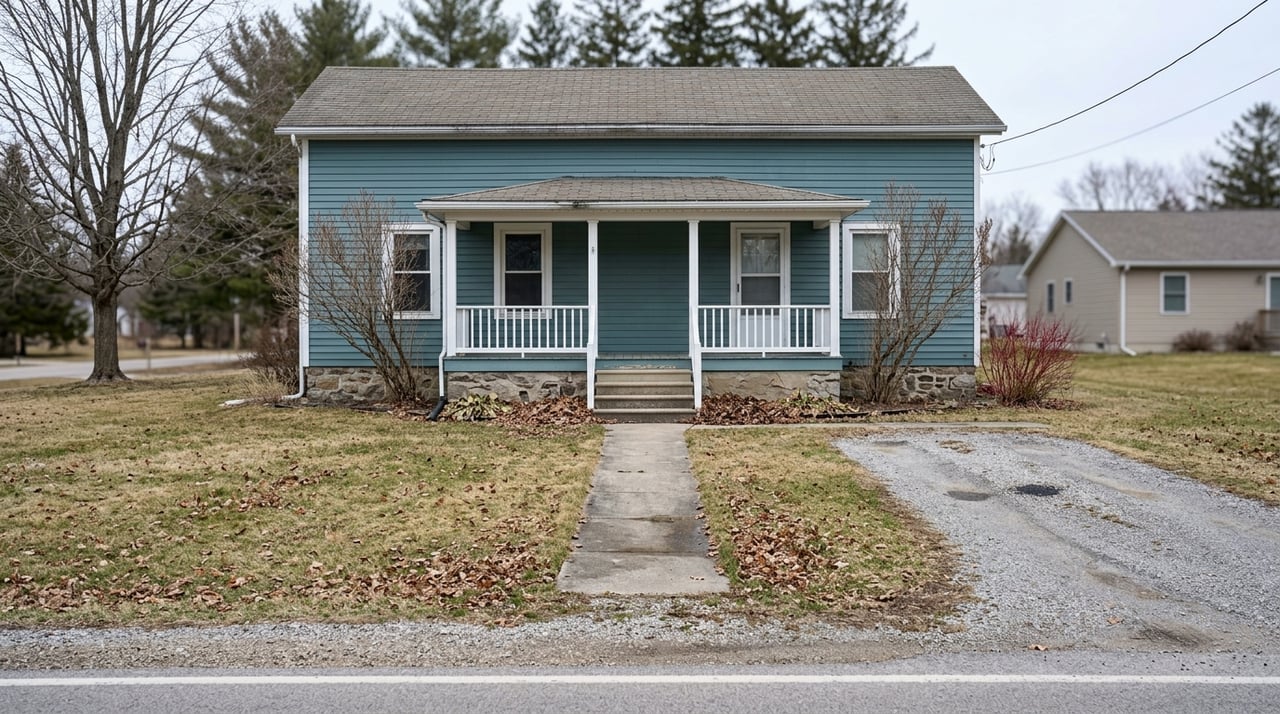
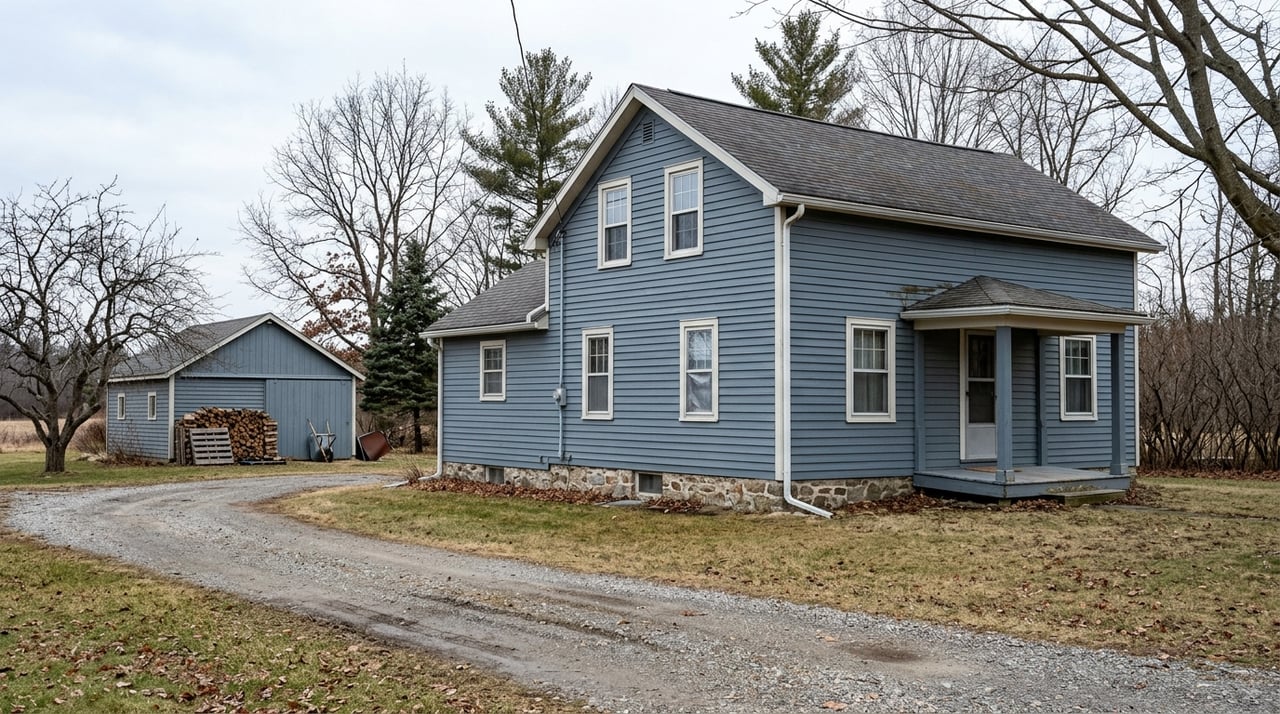
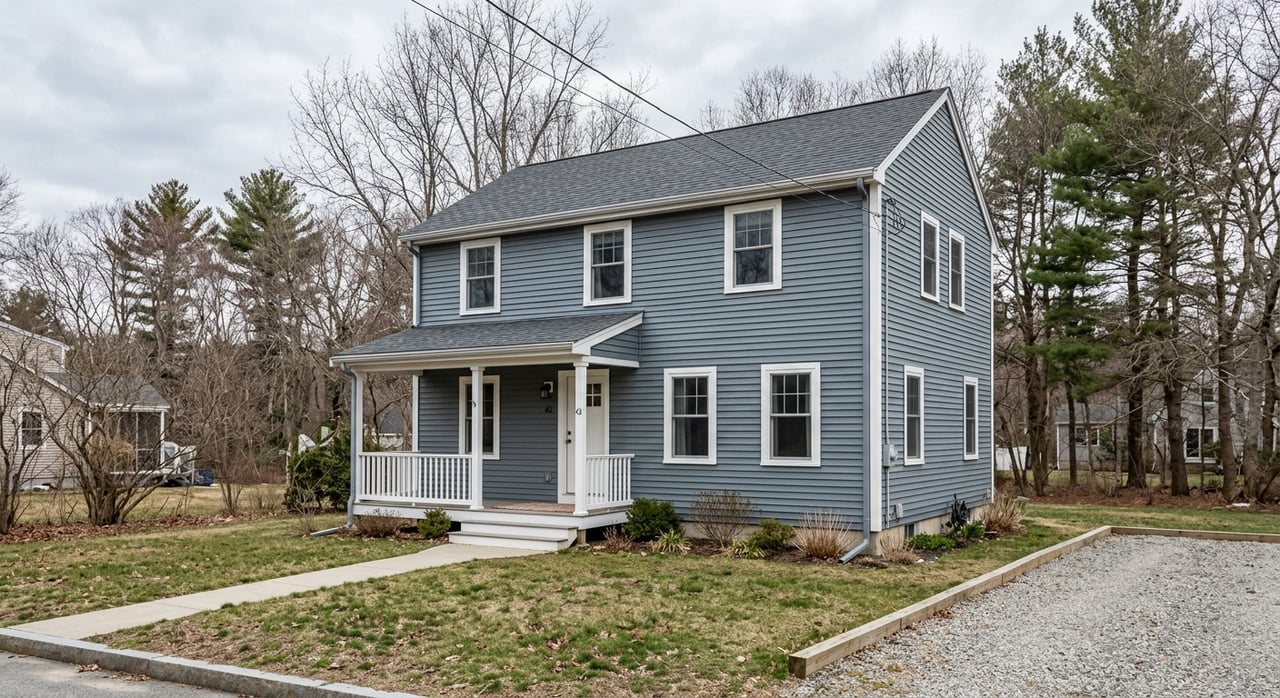
Groveland Station sits in the southern part of the Town of Groveland along Route 63, just north of Sparta. The town describes Groveland as a place where agriculture and rural landscapes are a major reason people choose to live there. That means if you are buying here, you should expect a rural setting where farm uses, longer drives, and varying utility access are part of the picture.
In a market like this, land is very parcel-specific. Two nearby lots can look similar online but have very different costs and building options once you review road access, zoning, wetlands, flood concerns, and utility connections. That is why listing photos should never replace a full due diligence review.
Start with zoning and intended use
Before you write an offer, make sure the parcel supports what you want to do with it. If your plan is to build a home, add a barn, create a driveway, or split the property later, those steps may involve different approvals through the town.
The Town of Groveland Planning Board reviews subdivision plans and commercial site plans and issues certain conditional use permits. The Zoning Board of Appeals handles area and use variances. The code enforcement office issues building permits, zoning permits, demolition permits, soil erosion permits, flood permits, certificates of occupancy or use, and compliance certificates.
Confirm the current rules
One important local detail is that the town notes its zoning law is under review and subject to change. Because of that, you should confirm the current ordinance and zoning map directly with code enforcement instead of relying on an old PDF or a third-party map.
If you think you may need a variance, timing matters too. Applications to the Zoning Board of Appeals must be submitted to the Town Clerk at least four weeks before the meeting date. That can affect your planning and closing timeline.
Treat split-and-build plans as a process
If you are buying land with the idea of dividing it or improving it later, do not assume that ownership alone gives you a clear path. Town forms separate minor and major site plans and subdivisions, which is a strong sign that these projects involve steps, reviews, and approvals.
In practical terms, that means your purchase decision should account for the process ahead. A parcel that works well for one buyer’s plans may not work the same way for another buyer’s goals.
Verify road frontage and legal access
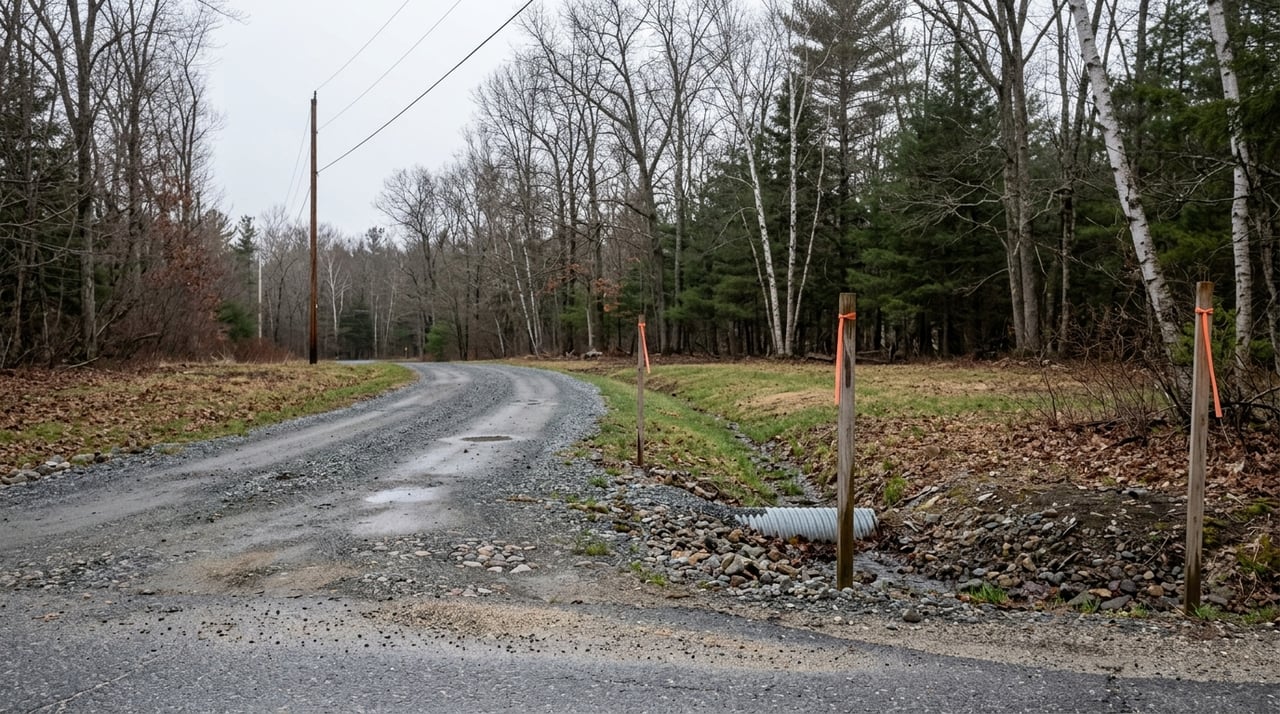
Access is one of the most important land questions in Groveland Station. You need to know what road the parcel fronts on, whether the frontage is adequate, and which agency controls the driveway permit.
Because Groveland Station includes Route 63, some properties may front a state highway. New York State requires a permit to build or modify a residential driveway on a state highway. If the property is on a county road, a county highway driveway permit is required, and construction cannot begin until the county approves the permit and marks and inspects the location. The town also maintains separate driveway permit forms for town roads.
A survey can clear up major questions
A current survey is especially helpful when frontage, easements, or a shared driveway are unclear. The Livingston County Clerk records survey maps along with deeds and mortgages, and the county GIS portal offers parcel resources and an interactive map.
Used together, those records can help you compare what the tax map shows with what exists on the ground. That is often where access issues, boundary questions, or old assumptions come into focus.
Check soils before you fall in love
With rural land, the soil can shape the entire project. Soil conditions affect septic options, foundations, roads, and agricultural use, so this should be one of your first feasibility checks.
The USDA NRCS Web Soil Survey provides current soil data that can help with land-use decisions. Buyers often use this early in the process to screen for homesites, hobby farm use, and general site suitability.
Septic approval is a key local step
If the parcel will need a private septic system, Livingston County Environmental Health plays a big role. The county issues permits and conducts inspections for sewage disposal and septic systems, and it also reviews septic designs before approval.
That matters because a parcel with poor soils or limited usable area may need redesign. In some cases, it may not support the intended use at all. A large lot does not always mean an easy septic solution.
Review wells, water, and sewer carefully
Utility status should always be verified parcel by parcel. In a rural area, nearby service does not guarantee that your lot has access or a connection option.
Livingston County Water and Sewer Authority operates the Groveland Station Sewage Treatment Plant, and the town is working on Water District No. 1. Even so, you should not assume public water or sewer is available to a specific parcel just because service exists somewhere nearby.
Private well questions matter too
If the property will rely on a private well, water testing is part of smart long-term ownership. New York State Health advises well owners to test water at least once a year for bacteria and every three to five years for other contaminants.
The state also recommends testing after floods, runoff concerns, or changes in nearby land use. In a rural setting, that guidance is especially relevant because water quality can change over time.
Look at wetlands and flood risk separately
Many buyers treat wetlands and flood zones as the same thing, but they are not. You need to review both.
New York State DEC says a permit is required for physical disturbance within a protected freshwater wetland or its adjacent area. The adjacent area is usually 100 feet from the wetland boundary, and activities like buildings, roads, septic systems, grading, clearing, and filling can require permits.
Wetland maps are only a starting point
DEC also states that wetland maps show approximate boundaries only. Recent regulatory changes expanded DEC jurisdiction, and as of January 1, 2025, jurisdiction is no longer limited to the older mapped-wetland framework.
That means a quick map check is helpful, but it should not be your only review. If a parcel appears wet, low, or constrained, you may need deeper investigation before moving forward.
Flood risk needs its own review
Flood risk should be checked separately from wetland status. FEMA’s Flood Map Service Center is the official public source for flood hazard information and can help confirm whether a parcel is in a Special Flood Hazard Area.
If the lot is low-lying or near a stream, flood insurance and elevation questions should be part of your offer-period review. This is another area where rural parcels can vary widely, even when they are close together.
Use county records to confirm the paper trail
Good land due diligence is not just about the dirt. It is also about the records.
The Livingston County Clerk records deeds, mortgages, liens, financing statements, and survey maps. Real Property Tax Services prepares tax maps and tax rolls and helps with exemptions, while the county treasurer issues subdivision map letters that certify taxes are paid before tax maps can be filed.
Check assessment and tax status
The Town Assessor estimates value within the town and processes exemptions. Before you close, it is smart to confirm the parcel’s current assessment and ask whether any exemptions or classification issues could affect your carrying costs.
This becomes even more important if the parcel is being split, reconfigured, or sold from an estate. In those cases, tax maps and clerk filings deserve extra attention.
Build the right local team
Buying land in Groveland Station usually goes more smoothly when you build your team early. Rural property purchases often involve more moving parts than a typical house purchase, especially when you plan to build.
A practical local team may include:
- A surveyor to confirm boundaries and frontage
- A real estate or title attorney to review easements, restrictions, and closing documents
- A septic designer or engineer if a private system is needed
- Town and county offices for zoning, access, health approvals, and related permits
This kind of support can help you make better decisions before your deadlines arrive. It can also help you sort out whether a parcel truly fits your goals, not just your wish list.
Smart questions to ask before buying
When you are comparing land in Groveland Station, a few direct questions can save you time and money.
Ask questions like:
- What road does the parcel front on?
- Who controls the driveway permit for that road?
- Is the current zoning compatible with my intended use?
- Will I need a variance, conditional use permit, or site plan review?
- Are there wetlands, flood zones, or wet soils that limit where I can build?
- Is there a workable well and septic option?
- Is public water or sewer actually available to this parcel?
- Is there a current survey and recorded legal access?
The goal is not to make the process harder. The goal is to help you buy with clear eyes.
Final thoughts on Groveland Station land
Buying land in Groveland Station can open the door to space, privacy, and the kind of rural lifestyle many buyers are looking for in Livingston County. But the best land decisions happen when you look beyond the surface and verify the parcel’s zoning, access, soils, utilities, and record history before you commit.
If you want local guidance as you compare acreage, review a parcel, or plan your next move in Livingston County, Aimee Campbell offers the kind of neighbor-first support that can make a land purchase feel clearer and more manageable.
FAQs
What should you check before buying land in Groveland Station?
- You should review zoning, subdivision status, road access, driveway permit requirements, soils, wetlands, flood risk, utility availability, survey information, and county records before closing.
Does a Groveland Station land parcel need town approval before you build?
- It may, depending on your plans. Building, adding a barn, creating a driveway, dividing land, or pursuing a use that needs review may require permits or approvals from town boards or code enforcement.
Can two nearby land parcels in Groveland Station have very different building costs?
- Yes. Even nearby parcels can differ a lot based on frontage, legal access, zoning, septic feasibility, wetlands, flood constraints, and utility connections.
How do you confirm driveway access for land in Groveland Station?
- First identify whether the parcel fronts a state, county, or town road. Then confirm which agency controls the driveway permit, since the permit process depends on the road type.
Why do soils matter when buying land in Groveland Station?
- Soils affect septic design, foundations, roads, and general site suitability. Poor or limited soils can increase costs, require redesign, or reduce what you can do with the land.
Should you assume public water or sewer is available to Groveland Station land?
- No. Utility status should be verified parcel by parcel because nearby service does not automatically mean a specific lot has access or a connection option.
How do wetlands affect land use in Groveland Station?
- Protected freshwater wetlands and nearby adjacent areas can require DEC permits for disturbance. That can affect buildings, roads, septic systems, grading, clearing, and filling.
What local professionals can help with a Groveland Station land purchase?
- A surveyor, a real estate or title attorney, and a septic designer or engineer can all be helpful, along with the appropriate town and county offices for permits, records, and approvals.