Thinking about buying a duplex or fourplex in Geneseo but unsure where to start? You are not alone. In a small college town, returns can look great on paper yet depend on the right location, lease plan, and due diligence. In this guide, you will learn how Geneseo’s student cycle shapes rents and vacancies, what zoning allows, and how to run simple pro formas before you tour a property. Let’s dive in.
Why Geneseo appeals to small-multifamily buyers
Geneseo is a classic college town with a steady renter base. The Town of Geneseo’s population was estimated at 10,410 in July 2024, which signals a small, stable market where local knowledge matters. You can confirm that snapshot in the U.S. Census QuickFacts for Geneseo. See the latest QuickFacts.
SUNY Geneseo is the anchor. The college reported 4,018 total students in Fall 2025, and about 59% of undergraduates live on campus. That leaves a meaningful off‑campus segment seeking rentals near town. The size of the student body and on‑campus share create a predictable academic‑year leasing cycle. Review SUNY Geneseo Fast Facts.
Property types that work here
Common small-multifamily options
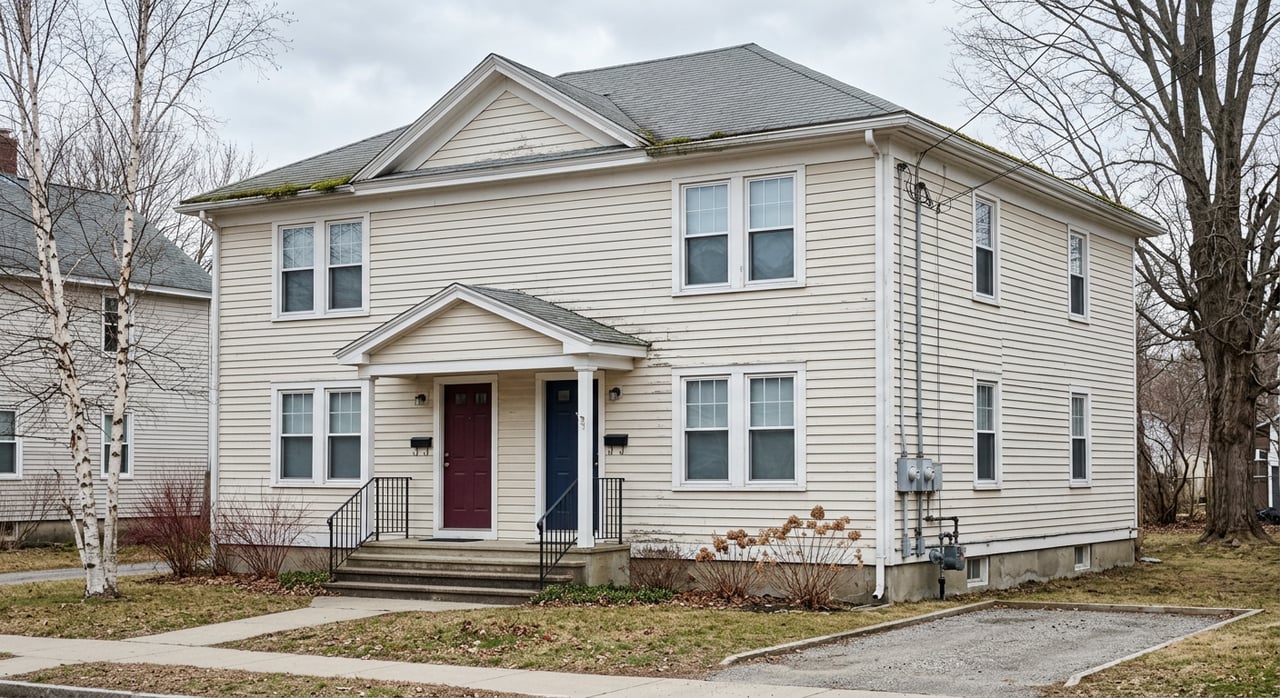
You will most often see duplexes, triplexes, and fourplexes close to campus and along main corridors. Some single‑family homes have legal conversions to multiple units, and there are a few purpose‑built small apartment buildings. Town code limits a single multifamily structure to no more than 10 units in most cases, and design standards apply. That cap helps define what “small multifamily” means here. Review Town multifamily standards.
Prices and rent ranges
Public data sources can differ in small markets like Geneseo. Recent sale activity has clustered around the mid‑$200,000s for many small properties. Average apartment rents reported by aggregators range from roughly the mid‑$1,700s to about $1,883 per month, depending on the dataset and timing. You can see Yardi Matrix’s view of Geneseo’s averages on RentCafe’s market trends page. For two‑bedroom units, some listing‑based snapshots show figures closer to about $1,140 per month.
The takeaway is simple. In Geneseo, use rent ranges rather than a single point and verify with current listings and signed leases during due diligence.
Zoning, permits, and approvals
Town vs. Village jurisdiction
The Town of Geneseo and the Village of Geneseo have separate procedures. In the Town, new multifamily construction is subject to site plan review and design standards, with typical limits of two stories and a cap of 10 units per building unless the Planning Board approves otherwise. Off‑street parking, building separations, and water or sewer capacity also apply. Check the Town code and site plan rules.
Inside the Village, changes of use or site improvements often require site plan review or a special use permit. Application packages are posted publicly, which makes it easier to understand the process before you buy. See the Village site plan application packet.
Building code and Certificates of Occupancy
Conversions and new work must meet the New York State Uniform Fire Prevention and Building Code. You will need the correct Certificate of Occupancy for the number of units you plan to rent. The local building inspector will confirm whether the current use is legal and what approvals are required. Review the building code administration reference.
Quick due diligence checklist
- Confirm zoning district and permitted use for multifamily or a conversion.
- Verify site plan history and Certificate of Occupancy for the existing unit count.
- Ask about water and sewer capacity, or septic system status if applicable.
- Review off‑street parking requirements and any design standards.
- Check for historic district overlays or local design review.
- Pull the current tax bill including school, town, county, village, and special districts.
- Inspect for lead paint, required smoke and carbon monoxide detectors, legal egress, and heating compliance.
Tenant demand, leases, and seasonality
Who rents in Geneseo
The renter mix includes students, faculty and staff, graduate students, and local non‑student households. Because SUNY Geneseo houses about 59% of undergraduates on campus, the off‑campus pool skews toward juniors, seniors, and students who opt out of dorm life. That mix supports duplexes and fourplexes within a short drive of campus. See SUNY Geneseo Fast Facts.
Lease terms that fit the academic calendar
In college towns, you will see 9‑ or 10‑month academic‑year leases and 12‑month leases. Many private owners prefer 12‑month terms to smooth cash flow and reduce summer vacancy. The leasing season often concentrates in spring for the following academic year, with most turnover in summer. That rhythm is well documented by large student‑housing operators. Read a student‑housing leasing cycle disclosure.
Group leases vs. by‑bedroom leases
Small landlords commonly use a single joint lease for the entire unit or house. Professionally managed student housing may lease by the bedroom with individual liability. Joint leases are simpler to manage and fit standard rental forms. By‑bedroom leases can reduce delinquency risk but add administrative complexity. In student markets, many owners also require parental guarantors.
SUNY Geneseo’s off‑campus resources remind students that private rentals are independent from the college. That helps you set expectations early with prospective tenants. Share the college’s off‑campus services page.
Managing vacancy risk
Expect demand to peak in spring and early summer. If you miss the pre‑leasing window, you may carry a unit for several months. You can reduce that risk by offering 12‑month terms, encouraging summer sublets where allowed, and starting renewals early. Firm move‑out checklists and quick turns also protect your rent roll.
Run the numbers: two simple scenarios
Below are conservative examples. Always verify actual rent, taxes, utilities, and insurance before you buy.
Scenario 1: Conservative rent baseline
- Purchase price: $250,000 duplex.
- Rent: $1,140 per unit per month for two‑bedroom layouts.
- Gross annual rent: $1,140 × 2 × 12 = $27,360.
- Vacancy allowance: 8%. Effective gross income ≈ $25,171.
- Operating expenses: 40% of effective income ≈ $10,068.
- Net Operating Income (NOI): ≈ $15,103.
- Financing: 25% down, 6% interest, 30‑year amortization. Annual debt service ≈ $13,489.
- Pre‑tax cash flow: ≈ $1,614. Cash‑on‑cash return ≈ 2.6%. Cap rate ≈ 6.0%.
Interpretation: With conservative rents and standard expenses, cash flow is thin. Upside may come from modest rent growth, targeted improvements, or better expense control.
Scenario 2: Stronger rent case
- Purchase price: $300,000 duplex.
- Rent: $1,748 per unit per month based on a higher market average reference.
- Gross annual rent: $1,748 × 2 × 12 = $41,952.
- Vacancy allowance: 5%. Effective gross income ≈ $39,854.
- Operating expenses: 40% ≈ $15,942.
- Net Operating Income (NOI): ≈ $23,913.
- Financing: 25% down, 6% interest, 30‑year amortization. Annual debt service ≈ $16,187.
- Pre‑tax cash flow: ≈ $7,726. Cash‑on‑cash return ≈ 10.3%. Cap rate ≈ 8.0%.
Interpretation: Better unit configuration, stronger finishes, or closer‑in locations can support higher effective rents. Even a few hundred dollars per unit per month can move your returns meaningfully.
What moves returns in Geneseo
- Property taxes: Pull the parcel’s current bill and include school, town, village, county, and special districts. Small changes in assessment can swing NOI. Check Livingston County’s tax‑rate table.
- Utilities and services: Clarify who pays heat, electric, water, and trash. Owner‑paid utilities can add 8% to 15% of effective income to expenses.
- Turnover and maintenance: Student turnovers are more frequent. Budget for repainting, deep cleaning, and small repairs each summer.
- Management: Self‑managing may save fees but require more hands‑on time during summer turns. Third‑party management reduces hassle but adds cost.
Financing 2–4 units
If you plan to live in one unit, owner‑occupied options can lower your down payment and rate. FHA and certain conventional programs allow 2–4 unit purchases for owner‑occupants, subject to local loan limits and underwriting. Start with current FHA guidance and confirm specifics with a lender. Review FHA single‑family guidance. Conventional programs for duplex to fourplex purchases have different down‑payment rules for owner‑occupants versus investors. See a conventional loan overview for 2–4 units.
Legal must‑knows in New York
New York limits security deposits and specifies handling and return requirements. Always use a compliant lease and escrow process. Read the NY General Obligations Law summary on deposits.
For nonpayment, New York requires a 14‑day written rent demand before filing a summary proceeding. The 2019 HSTPA reforms also strengthened tenant protections and notice rules. If you need to enforce a lease, consult an attorney. Review a tenants’ rights overview from Cornell Law.
Local resources you will use
- Population and housing context: U.S. Census QuickFacts for Geneseo.
- SUNY market size and on‑campus share: Geneseo Fast Facts.
- Off‑campus guidelines for students: SUNY Geneseo Off‑Campus Services.
- Town zoning and multifamily standards: Town of Geneseo Code.
- Village approvals: Village site plan application packet.
- Property taxes: Livingston County town and county tax‑rate table.
- Leasing cycle background: Student‑housing leasing cycle disclosure.
Ready to run numbers on a specific duplex or fourplex and map out your leasing plan around the SUNY calendar. If you want a grounded view of rents, taxes, and approvals before you write an offer, connect with Aimee Campbell for local guidance and a practical path to closing.
FAQs
How does SUNY Geneseo shape off‑campus demand?
- SUNY Geneseo reported 4,018 students in Fall 2025, and about 59% of undergraduates live on campus, so a sizable share rents off campus and follows an academic‑year cycle. See Fast Facts.
What rent should I underwrite for a duplex in Geneseo?
- In a small market, use ranges. Some public sources show two‑bedroom snapshots near about $1,140, while broader averages run into the high $1,700s or roughly $1,883. Verify with active listings and signed leases. Check RentCafe’s Geneseo overview.
Can I convert a single‑family home into multiple units in Geneseo?
- Possibly, but it depends on zoning, site plan review, and building code compliance. The Town caps multifamily structures at 10 units and requires approvals, and the Village has its own procedures. Always confirm with local planning before you buy. Town code and Village packet.
Should I offer 9‑, 10‑, or 12‑month leases near campus?
- Many owners prefer 12‑month leases to smooth summer vacancy, while some student‑focused operators use 9‑ or 10‑month terms aligned with the academic year. Choose based on your vacancy tolerance and marketing calendar. See a student‑housing leasing cycle example.
What New York landlord rules should I know before investing?
- Security deposits have caps and handling rules, and nonpayment cases require a 14‑day written rent demand before filing. Use compliant leases and consult counsel when needed. Deposit rules summary and tenants’ rights overview.