Thinking about life on a smaller Finger Lake where summers feel endless and winters still shine? If Honeoye Lake is on your radar, you’re not alone. Many buyers love its easygoing pace, four-season recreation, and friendly town vibe. In this guide, you’ll learn how the seasons shape daily life, where to launch and swim, the types of homes you’ll find, and what to know about utilities, water quality, permits, and maintenance. Let’s dive in.
Why people choose Honeoye Lake
Honeoye Lake is an intimate Finger Lake at roughly 1,772 acres and about 4.5 miles long. It is relatively shallow, with a maximum depth near 30 feet and an average around 16 feet, which helps the water warm early each season. That shallow profile also shapes boating and plant growth in summer. You can review lake facts, public access details, and seasonal amenities through the state’s Honeoye Lake park page on NYS Parks.
Seasons at a glance
Spring and early summer
As the water warms, boat ramps open and nearshore aquatic plants begin to grow. Families head to the beach, launch kayaks, and plan fishing mornings. Expect a lively, social lakefront on fair-weather days. You’ll also see docks going in and seasonal maintenance ramping up.
Late summer
Because the lake is shallow and warm, late summer can bring harmful algal blooms in some years. Conditions change quickly, so check DEC updates and local monitoring posts for current information. You can read about ongoing management actions and seasonal patterns in DEC’s Honeoye Lake updates.
Fall
Peak boating winds down as colors peak on the hillsides. Local traditions, including the community “Ring of Fire,” mark the close of summer. Cooler water, quiet mornings, and crisp hikes make this a favorite time for year-round owners.
Winter
Honeoye often freezes fully, supporting ice fishing, skating, and nearby snow sports when conditions are safe. Ice-in and ice-out vary each year, so plan with flexibility. Many homeowners winterize docks and lifts, then shift to trail days and cozy lake views.
Everyday life and recreation
Public access and the beach
You have several easy options to get on the water. Sandy Bottom Park at the north end offers a guarded beach in season, plus play spaces and pavilions. For trailered boats, the state-managed launch on the south and east side provides a concrete ramp, seasonal docks, and pay-and-display parking. Expect limited parking on peak weekends, which is common on smaller Finger Lakes. Find details on hours, docks, and amenities via NYS Parks’ Honeoye Lake page.
Boating and fishing
Anglers target walleye, bass, perch, and panfish throughout the open-water and hardwater seasons. Because the lake is shallow, boat size and wake control matter for shoreline protection. The DEC provides fishery information, stocking notes, and occasional use advisories; start with the state’s Honeoye resources on DEC’s site.
Trails and four-season fun
You can balance lake time with nearby hiking, mountain biking, and winter activities. The hills south of the lake offer sweeping views and groomed winter trails. Local ski areas and snowmobile routes add variety when the lake is frozen.
Homes and utilities around the lake
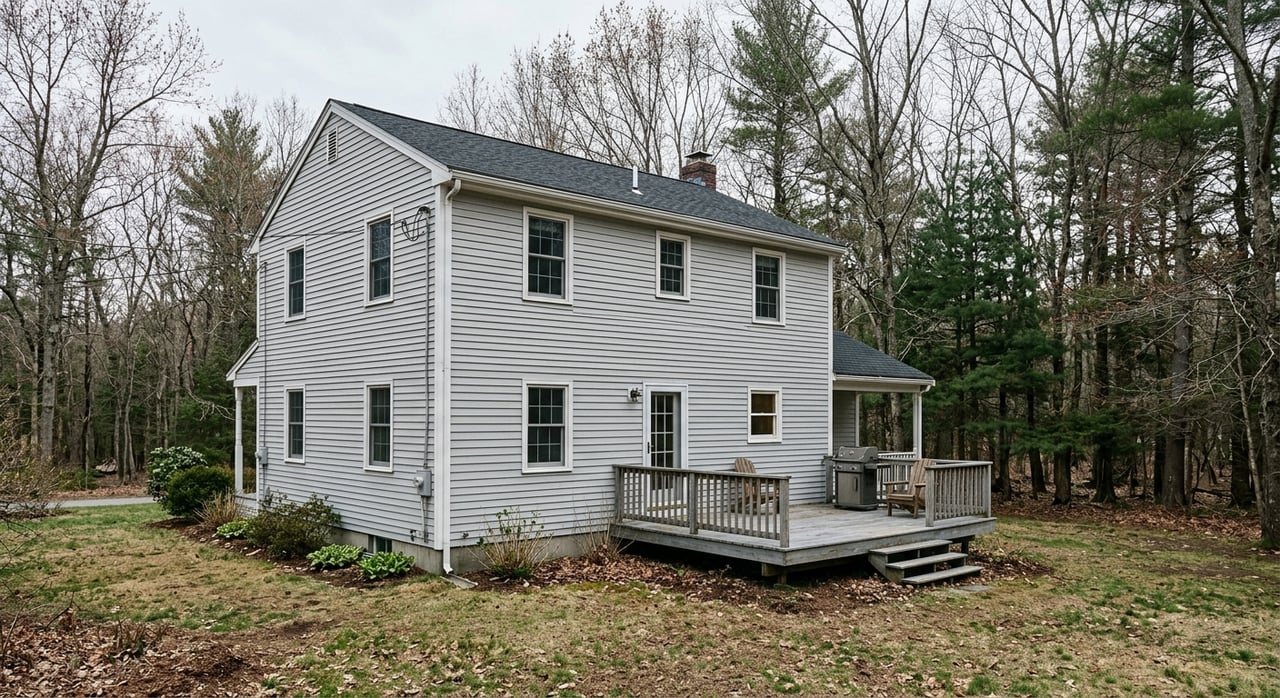
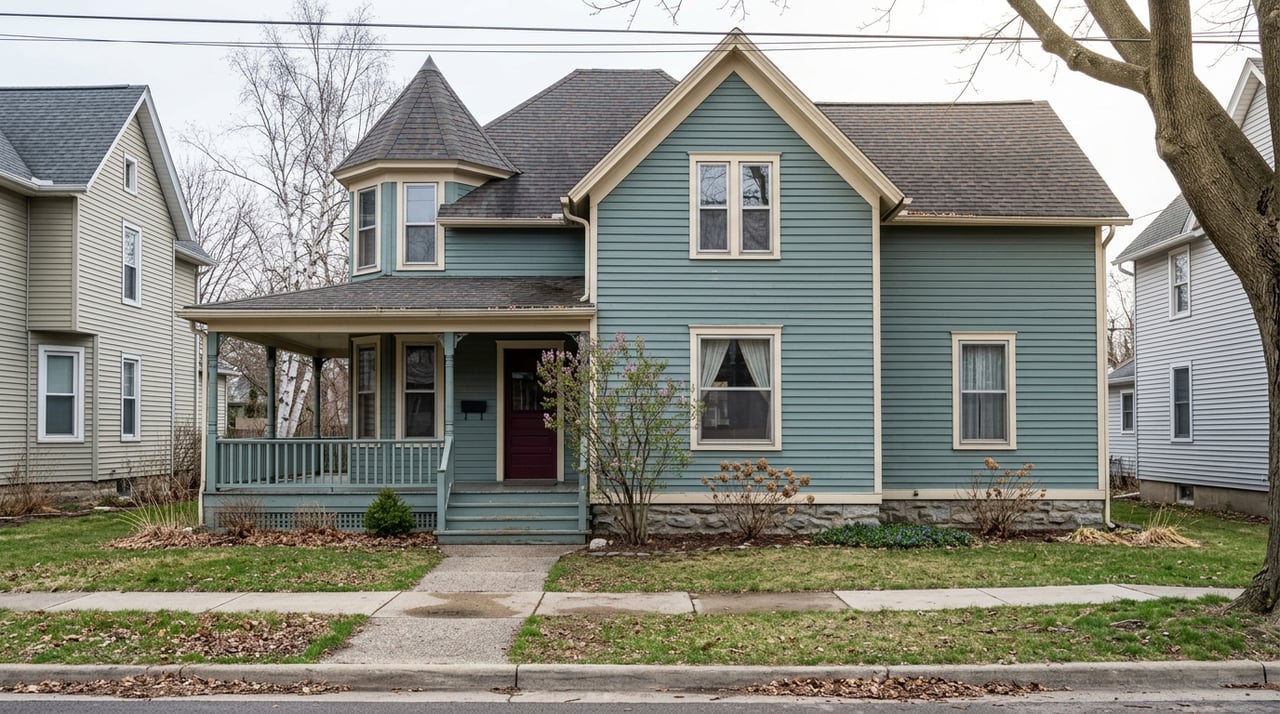
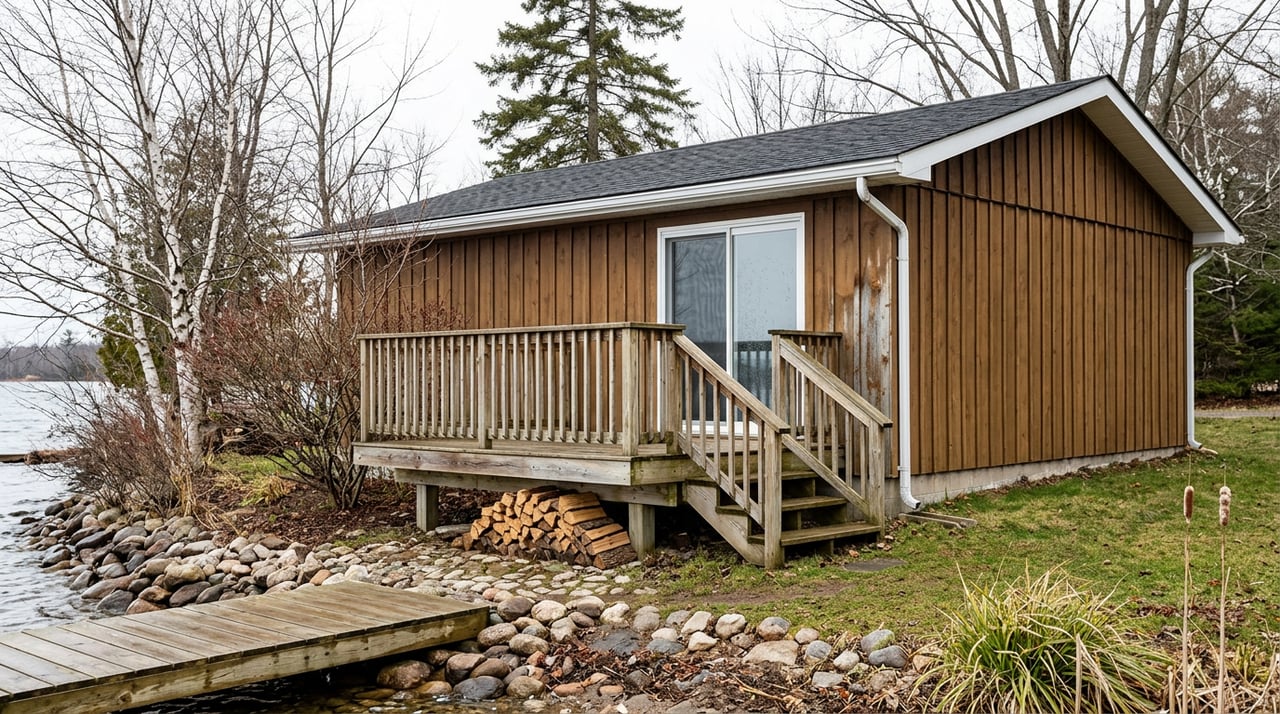
You’ll see a wide range of properties around Honeoye, from modest mid-century cottages to renovated year-round waterfront homes. Some lake houses started as seasonal places and have been upgraded with insulation, heating, and modern kitchens. Others are new builds or extensive rebuilds with larger footprints and modern systems. As you tour, compare not only finishes but also foundation type, shoreline setup, and year-round access.
Utilities vary by parcel. Parts of the lakeshore are served by the Honeoye Lake County Consolidated Sewer District, while others rely on private septic systems. Since coverage is patchwork, verify service on a specific address through Ontario County’s sewer district page and confirm details with the Town of Richmond assessor’s office. You should also check water service, well status, propane options, and winter road maintenance for any property under consideration.
Water quality and stewardship basics
HABs and active lake management
Honeoye has a history of harmful algal blooms in late summer during some years. Blooms are driven by nutrients and warm, calm conditions and can affect swimming and pets. The state completed an alum pilot in 2022 to reduce internal phosphorus loading and continues to monitor results, which is a sign of active, long-term stewardship. You can learn more in DEC’s Honeoye Lake updates and HAB guidance and review Honeoye-specific information on DEC’s Honeoye page.
Aquatic plants and invasive species
Rooted vegetation is plentiful in nearshore zones, especially out to about 15 feet of depth. Expect a mix of native and non-native species. County and town programs support management through mechanical harvesting and boat-cleaning initiatives to limit spread. For current efforts and homeowner guidance, review Ontario County’s Honeoye Lake Weed Management information.
Lawn care near the lake
New York’s nutrient runoff law limits phosphorus in lawn fertilizers for established turf. You can still apply phosphorus for new lawns or when a soil test shows need. These rules help protect water quality by reducing runoff. See the state’s homeowner FAQs on DEC’s lawn fertilizer page.
Permits, docks, and shoreline work
Working in or near the water usually requires permits. Building or expanding docks and boathouses, dredging, or placing fill can trigger state Protection of Waters permits and sometimes federal reviews. Many smaller, removable docks are common, but you should still check rules before starting. Begin with DEC’s Protection of Waters guidance and the Town of Richmond’s zoning code for definitions, setbacks, and approvals available at the town code portal.
Plan for winter. Floating docks are typically seasonal and should be removed or protected to avoid ice and wind damage. If you are repairing or replacing a permanent pier or lift after storm or ice damage, expect that permits may apply again. Keep good records and talk with the town Code Enforcement early so timelines are realistic.
Budget and maintenance checklist for buyers
Use this quick list to estimate near-term costs and set smart contingencies:
- Sewer or septic. Confirm the property’s status and plan for maintenance if on septic. Homeowners typically inspect and pump on a 3 to 5 year cadence depending on tank size and use. Cornell Cooperative Extension offers a clear homeowner guide on septic care.
- Shoreline and dock care. Budget for dock installation and removal, winterization, and potential repairs after storms or ice. Ask sellers about typical timelines, storage, and insurance for seasonal damage.
- Vegetation and invasive management. Expect nearshore plant growth in summer and follow clean, drain, dry practices for all boats and gear. Review county-level programs through the Honeoye Lake Weed Management page and follow posted guidance at launches.
- Erosion and grading. Wake energy and high water can stress shorelines. Consider vegetated buffers and properly permitted stabilization if needed. The Town of Richmond regulates waterfront work and setbacks; start with the town code site and ask Code Enforcement about steep-slope or stormwater triggers.
- Insurance and flood awareness. Some parcels may lie in flood-prone areas. Ask for elevation certificates if available and talk with your insurer about coverage needs before you waive contingencies.
- Taxes and reassessment. Waterfront can be complex for valuation. Check timelines and procedures with the Town of Richmond assessor early in your search.
Pro tips for a smooth search
- Confirm utilities and access. Verify sewer vs. septic, public water vs. well, propane, and year-round road maintenance on a specific address before you fall in love with the view.
- Watch the seasons. If you are buying in winter or spring, ask for recent summer photos of water levels, plant growth near the dock, and typical boat clearance. If shopping in late summer, check current HAB reports on DEC’s Honeoye resources and ask about historical patterns at that location.
- Think wake and depth. Match boat size and activity to the lake’s shallow profile to avoid shoreline impacts. In some high-water years, no-wake guidance has been used to protect docks and shore.
- Plan shoreline projects early. If you anticipate dock work, lifts, or shoreline stabilization, talk with the Town of Richmond Code Enforcement and review DEC’s Protection of Waters before you write offers that assume quick approvals.
- Clarify rental intentions. Short-term rental rules are local. If rental income matters to your plan, confirm what is permitted in the Town of Richmond through the municipal code and with the Town Clerk or CEO.
Buying or selling near Honeoye works best with a local guide who understands the seasons and the paperwork. If you want help lining up utility checks, permit questions, and tours that fit your budget and timing, reach out to Aimee Campbell. You’ll get neighbor-first advice, clear next steps, and professional marketing support. If you are selling, you can also ask for an instant home valuation to start the conversation.
FAQs
How deep is Honeoye Lake, and why does it matter?
- The lake is about 30 feet at its deepest and averages roughly 16 feet, which warms it early for recreation but also makes wake control and plant growth key considerations.
Where can you launch a boat or swim on Honeoye Lake?
- Use the state-managed launch with seasonal docks for trailered boats and the guarded beach at Sandy Bottom Park in season; check hours and fees on NYS Parks’ Honeoye page.
Do harmful algal blooms occur on Honeoye Lake?
- Yes, late-summer HABs can occur in some years; review current guidance and ongoing management updates on DEC’s Honeoye Lake information and check DEC resources during bloom season.
How do I know if a Honeoye property is on sewer or septic?
- Confirm with Ontario County’s sewer district, verify with the seller, and double-check parcel details with the Town of Richmond assessor.
What permits do I need for a dock, lift, or shoreline project?
- Many in-water or shoreline activities require approvals; start with DEC’s Protection of Waters and confirm local requirements in the Town of Richmond code before you begin.
What lawn fertilizer rules apply to lakefront homes in New York?
- New York limits phosphorus in fertilizers for established lawns to reduce runoff; see homeowner guidance on DEC’s lawn fertilizer FAQ.