If you are drawn to Conesus Lake but want a clearer picture of what living in Lakeville actually feels like, you are not alone. This small hamlet offers more variety than many buyers expect, from shoreline homes to road-front properties and a manufactured-home community. Understanding those differences can help you focus your search and find a setting that fits your day-to-day life. Let’s dive in.
What Lakeville Feels Like
Lakeville is a compact hamlet at the north end of Conesus Lake in the Town of Livonia. According to Livingston County and regional planning materials, it covers about 0.66 square miles and had 694 residents in the 2020 census, with a noticeable seasonal increase in late spring and summer. That small footprint gives Lakeville a close-knit, easy-to-navigate feel.
What stands out most is how strongly the lake shapes the area. Conesus Lake is the western-most Finger Lake, and county materials note that the north basin is shallower near the outlet and Vitale Park. In practical terms, that supports a setting tied to recreation, warm-weather activity, and easy access to the water.
Lakeville also balances that lake energy with practical year-round features. The hamlet is served by the Livonia Central School District, and Vitale Park offers picnic tables, a gazebo, playground equipment, fishing access, and free summer Sunday concerts. That mix gives Lakeville a seasonal spark without feeling like it only works in the summer.
Lakeville Home Styles at a Glance
One of the most important things to know is that Lakeville is not a subdivision-heavy market. You are more likely to find a mix of home types and lot settings than rows of similar new construction. That variety can be a plus if you want options beyond a standard neighborhood layout.
Buyers in Lakeville are likely to come across:
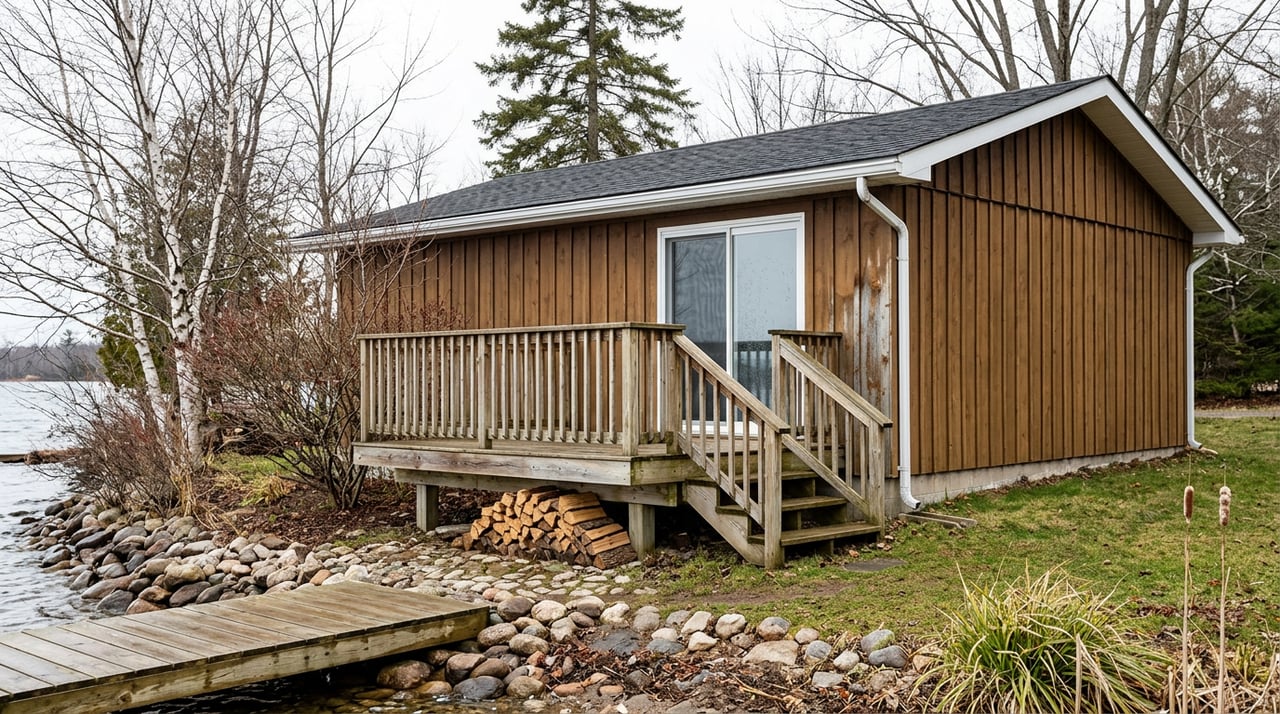
- Older lake houses with shoreline access or frontage
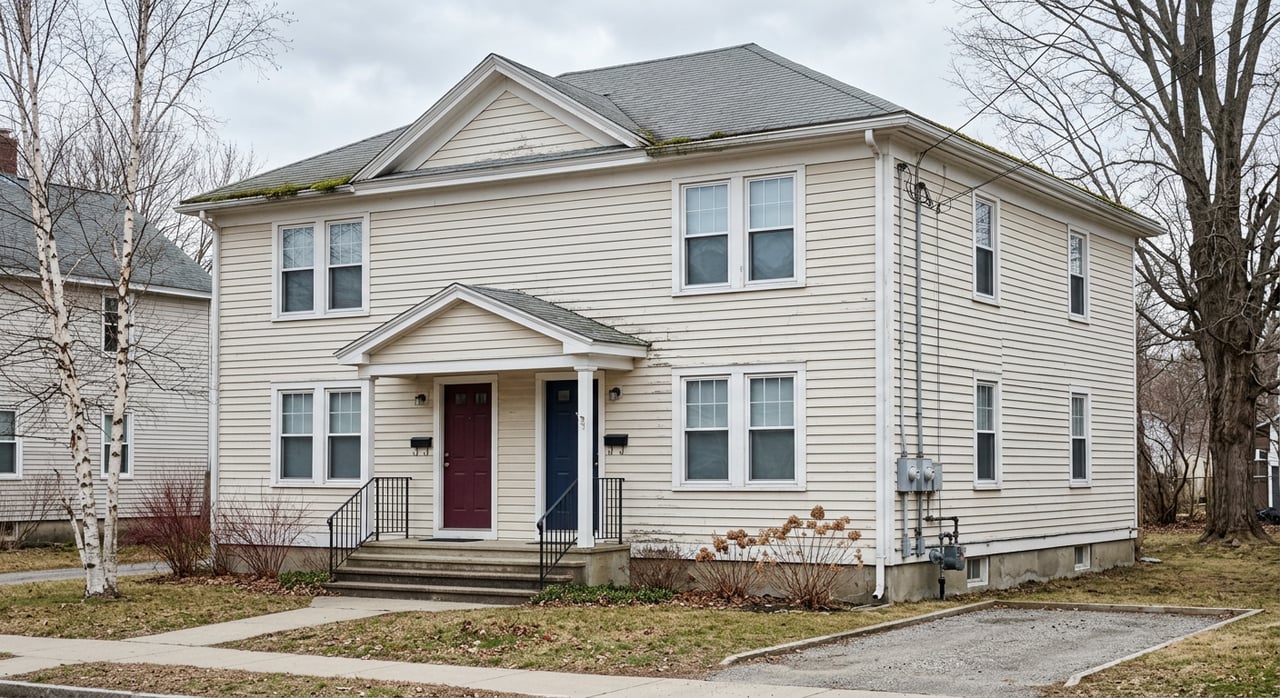
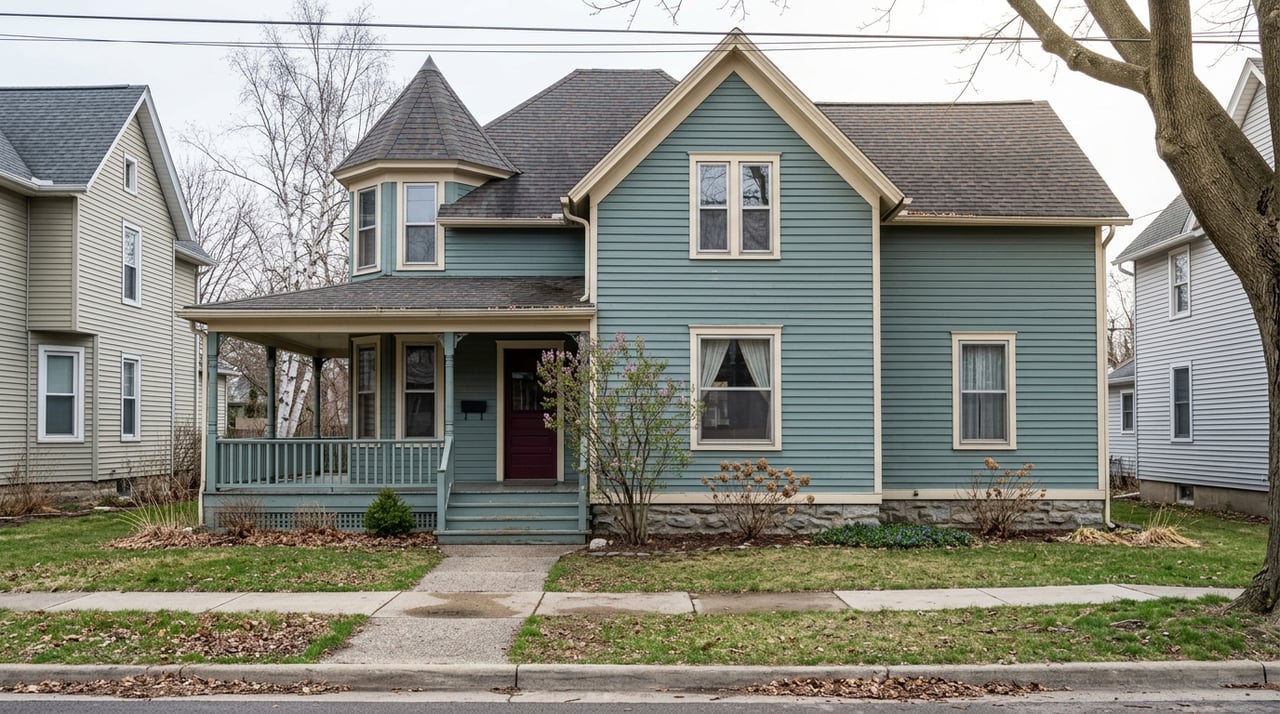
- Classic Colonials
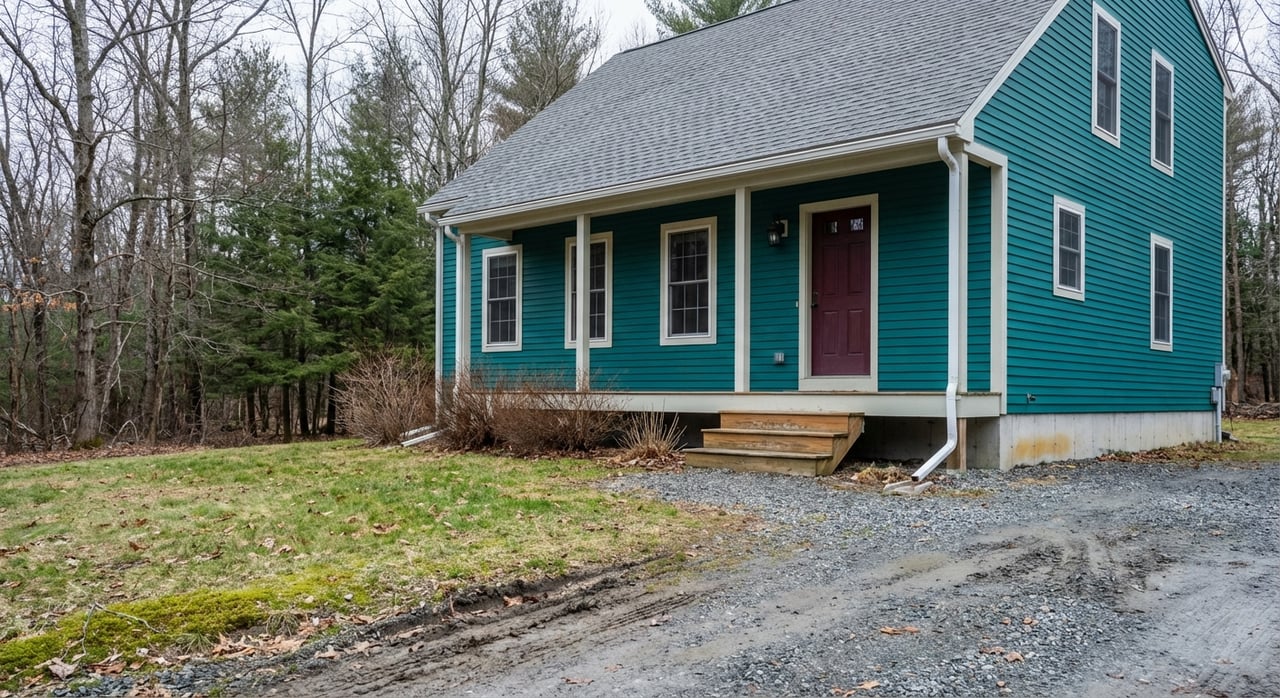
- Updated Cape-style homes
- Manufactured homes in a managed community
- Road-front homes on larger lots or acreage
Lot size also varies quite a bit. Current examples in the research range from a 6,969-square-foot lakefront parcel to homes on 1.44 acres and 2.59 acres along nearby road corridors. That means your lifestyle priorities, like water access, yard space, privacy, or ease of maintenance, can shape your search in a meaningful way.
Shoreline Areas: Pebble Beach and Cluny Point
If your first thought is lake living, the shoreline pockets near Pebble Beach and Cluny Point will likely catch your attention. Livingston County place-name records locate Pebble Beach at the northwest corner of Conesus Lake near Lakeville, with Cluny Point just south of it. These areas reflect the classic lakefront pattern many buyers picture.
Homes here tend to be older and set on small-to-moderate lots, with a strong focus on views, frontage, and outdoor living. Recent examples in the research include a 1938 lakefront home on Pebble Beach Road with 50 feet of frontage on a 6,969-square-foot lot, and a 1937 Cluny Point home on 0.29 acres with 79 feet of frontage. Those details help illustrate the kind of compact, water-oriented setting you can expect.
The feel in these shoreline pockets is shaped by the lake itself. Outdoor spaces matter, access matters, and the home often functions as part of a larger lifestyle centered on the water. If you want to be close to boating, fishing, or simply spending time by the lake, this part of Lakeville may feel especially appealing.
Big Tree Road and the Village Corridor
Big Tree Road, also known as Route 20A, serves as Lakeville’s main corridor. Livingston County’s corridor planning materials describe it as the hamlet’s nexus and main street, with the stretch from West Lake Road to Rochester Road being mostly residential. This area offers a different experience from the tighter lakefront pockets.
Along and near Big Tree Road, you may see older homes that have been updated, larger lots, and more road-front positioning. The examples in the research show that range clearly: an 1865 home on 2.59 acres with a pond and outbuildings, an updated Cape between Lakeville and Livonia village, and a 1900 Colonial on 1.44 acres with water access on the Conesus Lake outlet. That mix can appeal to buyers who want character, some breathing room, and convenient access to daily routes.
This part of Lakeville tends to feel practical and flexible. You are still connected to the lake area, but the setting leans more toward a main-road hamlet pattern than a classic waterfront strip. For many buyers, that can offer a useful middle ground between lake access and everyday convenience.
Lakeville Village: A Different Setting
Lakeville Village adds another layer to the local housing mix. According to its website, Lakeville Village is a resident-owned manufactured-home community on Sonora Way and is intended for ages 55 and older. Its north-end Conesus Lake location gives residents proximity to the broader Lakeville area while offering a very different housing format.
A recent example noted in the research was a 2007 manufactured ranch-style home with three bedrooms, two baths, an attached 2.5-car garage, a deck, and a leased lot. That points to a setting that is more managed and lower-rise than the shoreline or road-front pockets. It can be a practical option for buyers who want a more contained home environment and a different maintenance profile.
Because this is a distinct community type, it is helpful to compare it separately from traditional single-family homes. Your purchase goals, preferred lot arrangement, and long-term plans matter a lot here. This is one of those cases where local guidance can really help you compare options clearly.
How the Neighborhood Feel Changes by Area
Lakeville is best understood as a few small residential experiences connected by the lake, Big Tree Road, and nearby services. Regional planning materials describe it as a compact lake hamlet with three overlapping experiences: shoreline living, a Route 20A village corridor, and lower-density edges with larger lots or manufactured-home living. That summary fits the market well.
If you are exploring the area for the first time, here is a simple way to think about it:
| Area | Typical Feel | Common Home Pattern |
|---|---|---|
| Shoreline pockets | Recreation-focused, scenic, seasonal energy | Older lake houses on smaller lots |
| Big Tree Road corridor | Practical, connected, mixed-use hamlet feel | Older homes, updated capes, larger road-front parcels |
| Lakeville Village | Managed, lower-rise, community-oriented | Manufactured homes on leased lots |
Rather than feeling like a fully planned suburb, Lakeville feels more organic. It is a string of smaller residential settings tied together by place and function. That can be a great fit if you want character and variety instead of a one-size-fits-all neighborhood.
What Buyers Should Keep in Mind
Because Lakeville has several distinct housing pockets, your search will usually go better if you start with lifestyle priorities instead of just square footage. A lakefront home and a road-front Colonial may both be in Lakeville, but they can offer very different daily routines. The same goes for comparing a larger parcel to a home in a managed community.
As you narrow your options, think about:
- Whether you want direct lake access, nearby lake access, or no water focus at all
- How much lot space you want to maintain
- Whether a main-road location fits your routine
- If you prefer an older home with character or a more streamlined setup
- How seasonal activity may affect the feel you want
Those details matter in a hamlet like Lakeville because the market is shaped by setting as much as by house style. Looking at both together usually leads to better decisions.
Why Local Context Matters in Lakeville
In a market with this much variety, broad descriptions only go so far. Two homes may be close to each other on a map but feel very different in person because of lot layout, road position, or how closely they connect to the lake. That is especially true in a place where seasonal recreation and year-round living overlap.
Working with a local agent can help you sort through those differences faster. You can compare whether a property offers the shoreline feel you want, the lot size you need, or the everyday convenience that fits your routine. In a small market, that kind of context can make your search much more efficient.
If you are thinking about buying or selling in Lakeville or anywhere around Conesus Lake, Aimee Campbell offers neighbor-first guidance backed by strong local market knowledge and professional marketing support. Whether you are drawn to a lake house, a road-front home, or a simpler downsizing option, you can get clear help tailored to your goals.
FAQs
What kinds of homes are common in Lakeville, NY?
- In Lakeville, you are likely to find older lake houses, classic Colonials, updated Capes, road-front homes on larger lots, and manufactured homes in a resident-owned community.
What is the neighborhood feel like in Lakeville, NY?
- Lakeville generally feels like a compact lake hamlet with a mix of shoreline living, a Route 20A corridor setting, and lower-density residential pockets tied together by Conesus Lake and nearby services.
What are the main residential areas in Lakeville, NY?
- The main residential pockets highlighted in local records and planning materials are the shoreline areas near Pebble Beach and Cluny Point, the Big Tree Road corridor, and Lakeville Village.
Is Lakeville, NY mostly lakefront homes?
- No. While lakefront and lake-oriented homes are a key part of Lakeville, the area also includes older homes along Big Tree Road, larger road-front parcels, and manufactured homes in Lakeville Village.
What amenities are available in Lakeville, NY?
- Lakeville includes access to Vitale Park, which offers picnic tables, a gazebo, playground equipment, fishing access to Conesus Lake, and free summer Sunday concerts, and the hamlet is served by the Livonia Central School District.
How big is Lakeville, NY?
- Lakeville is a compact hamlet of about 0.66 square miles, and the 2020 census counted 694 residents, with seasonal population increases in warmer months.