You see a home you love in Honeoye Falls, you write an offer, then the listing flips to “contingent.” What does that really mean for you? If you are just starting your search, the terms can feel confusing. You want to write a strong offer without taking on unnecessary risk. This guide breaks down how contingencies work in New York, how they play out in Honeoye Falls and Monroe County, and how you can use them to protect yourself while staying competitive. Let’s dive in.
Contingent, in plain English
A contingent offer is one that depends on certain conditions being met. If a contingency is not satisfied on time, the buyer may be able to cancel and recover the deposit, based on the contract. Sellers see contingencies as conditions, so they often prefer offers that have fewer, shorter, or clearer terms.
New York uses an attorney review culture. After an offer is accepted and both sides sign the contract, attorneys review and can negotiate changes or cancel within the contract’s attorney approval period. Timing and language matter, so you should work with your agent and attorney to set clear dates and duties.
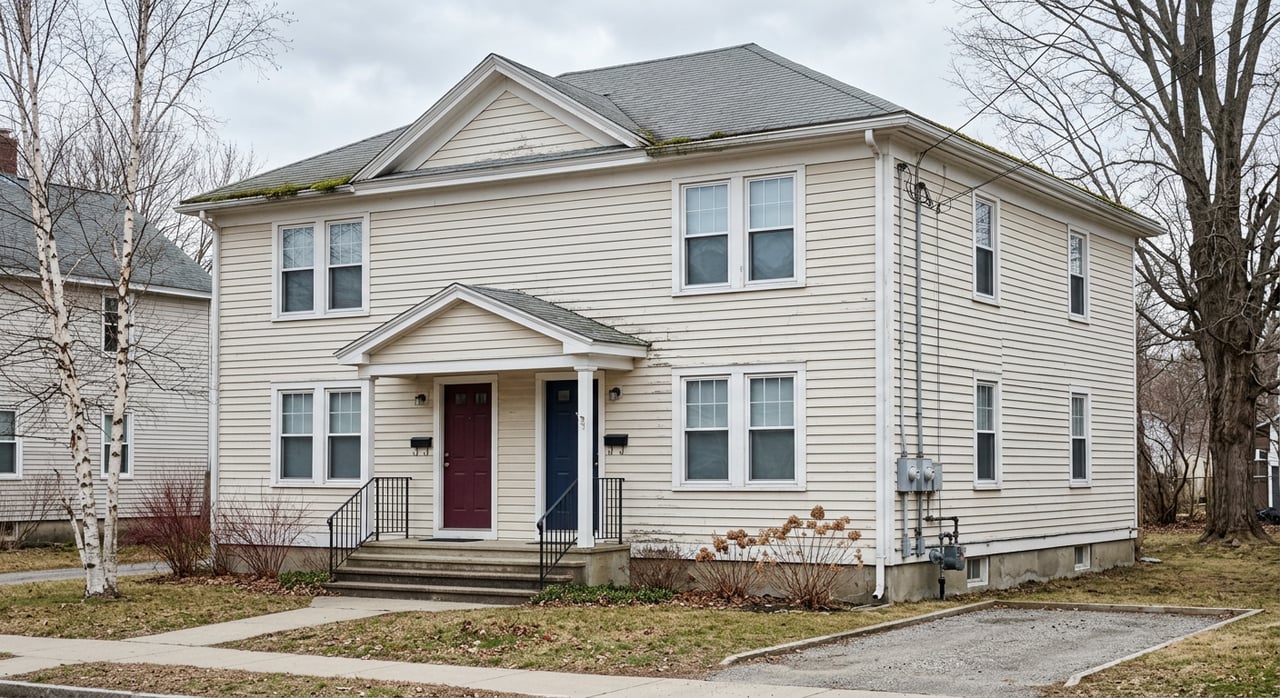
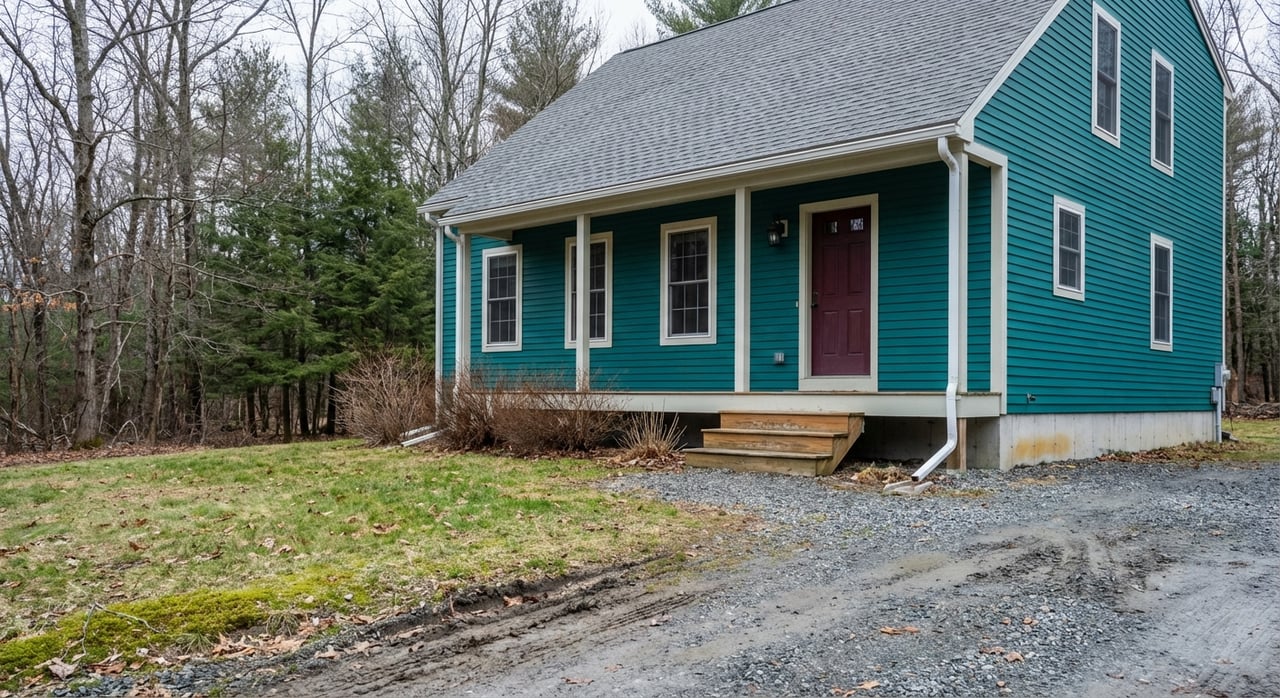
In Honeoye Falls and the wider Monroe County area, housing types vary. Historic village properties can bring vintage systems and masonry concerns. Rural homes may have private wells and septic systems. These local factors shape which contingencies you include and how you manage your timelines.
Core contingencies to know
Contingencies are tools. Each one protects you from a specific risk. Here are the most common types and how they usually work in our area.
Inspection contingency
The inspection contingency gives you time to hire a professional and review the home’s condition. If a serious issue shows up, you can request repairs or a credit, renegotiate the price, or cancel within the deadline.
- Typical scope: a general home inspection with optional add‑ons like septic, well water, radon, lead, mold, HVAC, chimney, or pest.
- Timing: often 3 to 14 days from contract acceptance. Sellers prefer shorter windows, so set a timeline you can meet.
- Local notes: older village homes may reveal knob‑and‑tube wiring or aging masonry. Rural properties often need explicit septic and well inspections. If the home sits in a flood zone or has conservation easements, build in time for those checks.
Best practice: spell out which inspections you will perform, when your notice of defects is due, and how long both sides have to reach agreement.
Appraisal contingency
Lenders base your loan on the appraised value. If the appraisal comes in below the price, this contingency lets you cancel, bring extra cash, or renegotiate.
- How it works: if appraisal is under the purchase price, you choose to cancel, cover the difference, or try to reset the price with the seller.
- Timing: typically completed within a few weeks of contract acceptance, depending on lender pace.
- Seller concerns: in rising markets, appraisal shortfalls are common. Sellers may ask for an appraisal gap clause where you agree to cover a set shortfall.
- Local notes: comps in Honeoye Falls can vary between village streets and rural lots. Historic features or acreage can affect appraised value, so plan for some variability.
Best practice: if you want to compete, you can show strong financing or offer a capped appraisal gap. Know that this increases your risk and requires cash on hand.
Financing contingency
This protects you if your mortgage approval falls through despite diligent effort.
- Mechanics: you agree to apply promptly, share documents, and obtain a loan commitment by the deadline.
- Timing: common windows range from 21 to 45 days, depending on lender speed and whether you completed pre‑underwriting.
- Variants: a pre‑underwritten conditional approval is stronger than a standard pre‑approval. It can justify a shorter contingency window and reassure a seller.
- Risk: waiving this contingency makes your contract unconditional. If financing fails, your deposit could be at risk.
Local tip: local lenders who know Monroe County title norms, municipal utilities, and rural property quirks can help keep underwriting on track.
Home‑sale contingency
This ties your purchase to the sale of your current home.
- Structure: clear deadlines for listing, going under contract, and closing. Many sellers ask for a kick‑out clause that lets them accept backup offers while you work to sell.
- Market factor: in competitive segments, sellers often resist home‑sale contingencies. If accepted, they expect firm dates.
- Buyer options: bridge financing or a shorter contingency window can help your offer.
Title and survey contingencies
These ensure you receive clear title and that property lines and easements are acceptable.
- Process: a title search and attorney or title company review, plus a survey if needed.
- Timing: the contract sets deadlines to object and cure defects.
- Local checks: review Monroe County records for easements, tax liens, or historic covenants, and verify any municipal code issues.
New York contract flow at a glance
Understanding the steps helps you set realistic dates and protect your deposit.
Offer and acceptance. You submit an offer. The seller accepts or counters. Once the purchase contract is signed, the attorney review period begins based on your contract.
Attorney review. In New York, both attorneys commonly review and can negotiate or cancel within the agreed period. The contract should state exact timelines and how to give notice.
Earnest money. After contract execution, you deliver the deposit to the named escrow holder. The amount and deadline appear in the contract.
Contingency clocks. Inspection, financing, appraisal, and title deadlines start on the contract acceptance date or on the dates listed in the contract. Write clear calendar dates to avoid confusion.
Loan, appraisal, and title work. Your lender orders the appraisal and processes underwriting. The title company or your attorney completes the title search and clears issues.
Closing schedule. The contract sets a target closing date and any extension rules. Staffing levels among local attorneys, lenders, and title companies can affect speed. Rural properties that need septic certifications or agricultural exceptions may need more time.
Make your offer competitive and safe
You can balance protection with strength. Here are proven tactics, with tradeoffs to weigh.
- Strengthen financing credibility. Get pre‑underwritten so your lender issues a conditional approval. This can support a shorter financing contingency and reduce seller worries.
- Shorten, do not skip, key timelines. A five to seven day inspection window can look strong if you have inspectors lined up. Only shorten windows you can meet.
- Use a capped appraisal gap. Offer to cover a defined shortfall, up to a limit. Bring proof of funds. Understand that you are accepting more risk.
- Consider a pre‑inspection on known‑hot listings. If allowed and feasible, a pre‑inspection may let you limit the later inspection contingency. Use caution on older or unique homes.
- Offer a kick‑out clause if you need a home‑sale contingency. This shows flexibility and can keep you in the running.
- Increase earnest money and present clean paperwork. A larger deposit, a clear timeline sheet, pre‑approval or commitment, and proof of funds show you are serious.
- Coordinate early with your attorney. Quick attorney engagement helps keep review and addenda on schedule and reassures the seller.
Honeoye Falls details that matter
Local property features should shape your contingency plan. Use this quick list to customize your offer.
- Historic village homes. Budget time for electrical, chimney, and masonry inspections. Verify any historic restrictions or covenants in title.
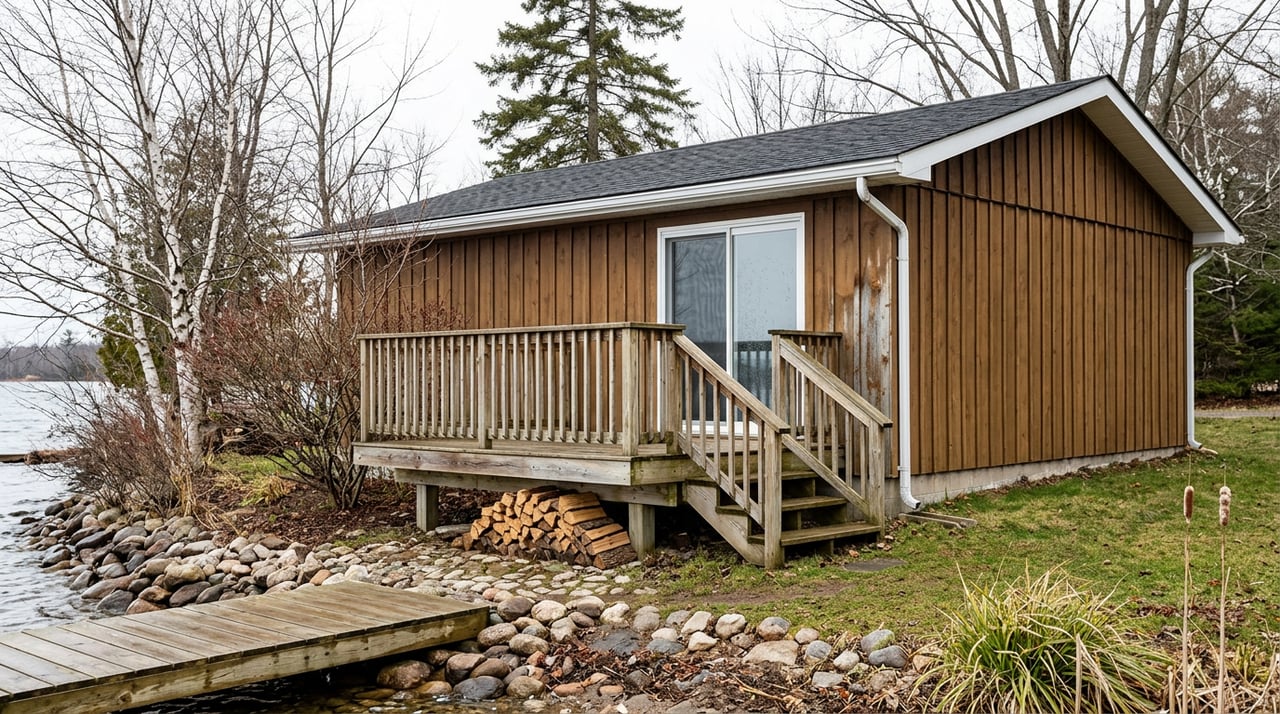
- Rural and edge‑of‑village parcels. Include septic and well inspections. Plan for water potability and flow testing, septic system function, and any private road agreements.
- Flood zones and easements. Confirm if the lot sits in a designated flood area or includes conservation or utility easements. Title and municipal checks help you avoid surprises.
- Outbuildings and acreage. If the property has barns, workshops, or multiple parcels, confirm permitted use, boundary lines, and access easements. A survey review may be wise.
Common scenarios and how they resolve
Knowing the typical outcomes helps you decide your next move with confidence.
- Low appraisal. You can cancel, bring extra cash to close the gap, or ask the seller to reduce price. If you agreed to a gap clause, you may need to cover that shortfall.
- Inspection reveals issues. You and the seller can negotiate repairs, a closing credit, or a price change. If no agreement is reached within the timeline, you may cancel per the contingency.
- Financing falls through. If you acted diligently and the financing contingency is in place, you can usually cancel and recover your deposit. If you miss deadlines or fail to apply, the seller may have remedies.
- Earnest money questions. If a contingency allows termination and you follow the process, your deposit typically returns to you. If you breach the contract or miss dates, the seller may be entitled to keep it. Contract language controls the outcome.
Quick buyer checklist
- Choose a local agent who knows Honeoye Falls and Monroe County practice.
- Get a strong pre‑approval or pre‑underwritten loan commitment before you offer.
- Decide which contingencies you will keep and which timelines you can shorten safely.
- Line up inspectors before you write the offer so you can meet short windows.
- Add property‑specific inspections such as septic, well, radon, or chimney as needed.
- Consider a capped appraisal gap only if you have the cash and comfort level.
- Engage your real estate attorney early to keep attorney review and title on track.
Contingencies are there to protect you. In a competitive corner of Monroe County, you can still keep smart protections in place with clear timelines and a confident presentation. If you want a plan tailored to your situation and the property you love, reach out to Aimee Campbell for local, step‑by‑step guidance.
FAQs
What does “contingent” mean on a Honeoye Falls listing?
- It means the seller accepted an offer, and certain conditions still need to be met before closing. The seller may accept backup offers depending on the contingency type.
Can a seller accept another offer while my offer is contingent?
- Yes. Sellers can often accept backup offers unless the contract says otherwise, and some deals include a kick‑out clause that can remove a contingent buyer.
What happens if the appraisal is lower than my offer price?
- You can cancel under the appraisal contingency, bring cash to cover the gap, or renegotiate. If you agreed to a gap clause, you may need to cover part of the shortfall.
If I lose financing, do I get my earnest money back?
- If you have a financing contingency and you acted diligently, you can usually cancel and recover your deposit within the deadline. If not, the seller may have remedies.
Who handles repairs after inspection in New York?
- It is negotiable. Common outcomes include seller repairs, a closing credit, or no changes. Agents and attorneys help both sides reach agreement.
Are home‑sale contingencies accepted in Monroe County?
- They occur but are less common in competitive segments. If accepted, sellers usually want short deadlines and a kick‑out right.