Thinking about selling your Lakeville home this winter? You are not alone. While spring gets the headlines, winter can be a smart window if you plan well. With fewer listings and more serious buyers, your home can stand out if it feels warm, looks bright, and is easy to access. This guide shows you how to price, prep, photograph, and launch a winter listing in Lakeville with confidence. Let’s dive in.
Why winter works in Lakeville
Winter brings fewer listings and fewer buyers, but the buyers who keep shopping are often motivated by job changes, life events, or a deadline. That means your well‑priced home can earn more attention with less direct competition. Visibility only pays off if the home shows well in winter conditions, so your strategy matters.
Lakeville sits at the north end of Conesus Lake, so many buyers think about year‑round use. Winter lake views, ice conditions, dock storage, and shoreline history may be part of their due diligence. Rural Livingston County homes also tend to have wells and septic systems, and buyers often ask for records or pre‑listing inspections. Prepare for these questions early to keep your transaction moving.
Pre‑listing winter prep
Heat, fuel, and comfort
Service the furnace or boiler and keep the paperwork handy. A recently serviced, clean‑running system helps reduce inspection issues and buyer concerns. If you use oil or propane, note your current fuel level and typical winter costs so buyers understand what to expect. Set a consistent, comfortable thermostat for showings to create a welcoming first impression.
Roof, gutters, and ice dams
Have the roof checked for age and visible damage and clear gutters where practical. If you have a history of ice dams, be ready to discuss attic insulation and ventilation. Document any recent roof or chimney work so you can share it during negotiations. Small steps here lower your risk of last‑minute surprises.
Wells, septic, and plumbing
Gather well tests, septic pump records, and any pump or pressure tank receipts. Consider a pre‑listing septic inspection, especially for rural properties that attract cautious winter buyers. Insulate exposed pipes and disclose any past freeze issues you know about. Clear, accurate information builds trust and shortens repair negotiations.
Safety and disclosures
Check smoke and carbon monoxide detectors and label shutoffs that buyers or inspectors may want to see. Keep entry points clear and safe in icy weather, including stairs and porches. Review New York disclosure requirements with your agent or attorney and be transparent about past winter damage, such as roof leaks or frozen pipes. Clear disclosures protect you and keep the deal on track.
Staging for warmth
Deep clean and remove bulky summer items to open up rooms. Add layered textiles, area rugs, and soft lamp lighting to create visual warmth in photos and showings. Repair or upgrade exterior lighting so the entry feels inviting even when the sun sets early. Small, cozy touches go a long way in winter.
Photography and marketing that sell in winter
Light‑filled interiors
Schedule interior photos during the brightest part of the day, usually late morning to early afternoon. Turn on all lights, open blinds, and consider a safely operated fireplace to show warmth. A photographer who knows low‑light work can avoid grainy images and bring out crisp, welcoming rooms. Aim for bright, clean, and simple.
Exterior and lake shots
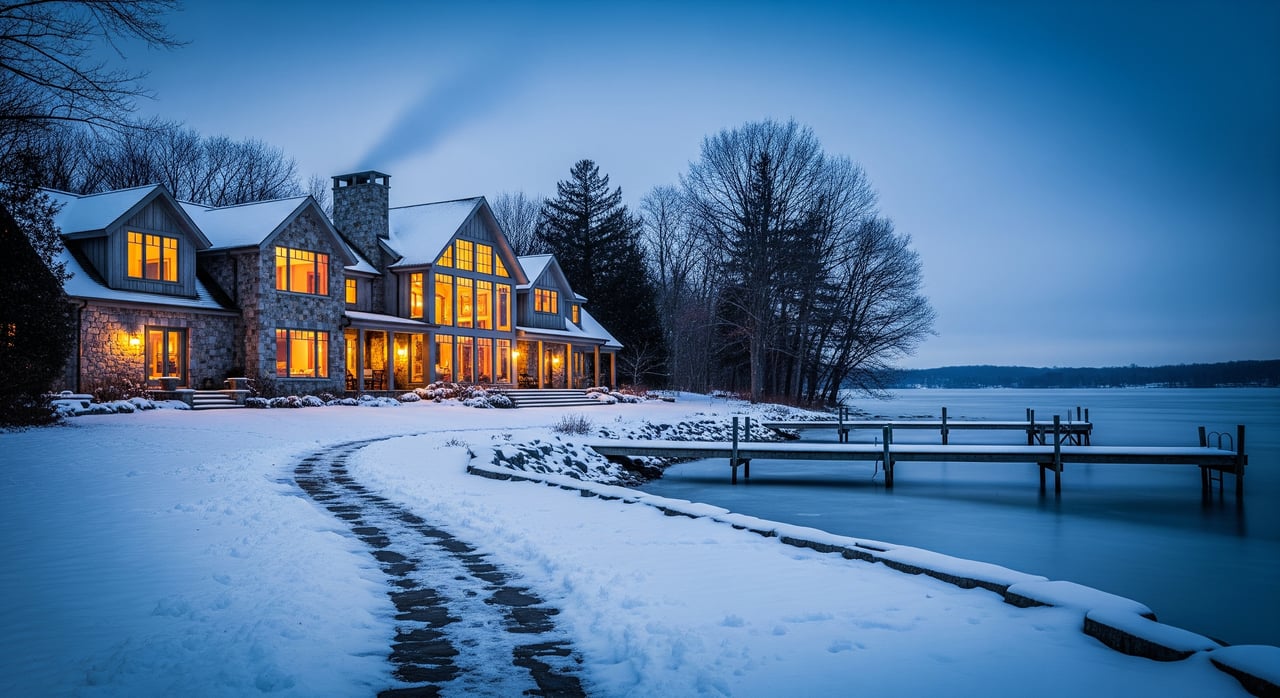
Clear the walk from the street or drive to the front door before photos. Move any snow piles away from the entry so the approach looks tidy and safe. A twilight exterior shot, with porch and path lights on, can showcase curb appeal when daylight is short. If you have a lake view, include a winter photo and a simple note about the seasonal look and off‑season use.
Virtual tours and floorplans
A 3D walk‑through or virtual tour helps remote or weather‑affected buyers visit your home without delay. Clear floorplans are especially helpful when touring is difficult. These assets expand your reach, reduce unnecessary showings, and help serious buyers move faster. In winter, they are a must‑have rather than a nice‑to‑have.
Listing copy that answers winter questions
Highlight winter benefits with factual language, such as insulated windows, efficient heating, attached garage parking, or a cleared driveway. Note practical logistics such as where to park after a snow and which entrance is best. If lake‑related, mention dock storage and any known winterization steps. When you answer questions upfront, buyers feel more confident making offers.
Social and email outreach
Lean into the advantage of fewer competing listings by promoting your home across email and social channels. Use warm, inviting visuals and short captions that emphasize comfort, light, and easy access. Targeted updates remind serious buyers that your home is ready now and worth a closer look.
Pricing, timing, and launch
Price with recent comps
Use sales from the last three to six months and include prior winter months if available. Fall comps still help, but consider how snow reduces curb appeal and hides landscaping. Decide if you want to price to attract early activity or list at clear market value and hold more negotiation room. Whichever path you choose, be prepared to respond quickly to offers.
Best listing windows
Avoid launching on major holiday weekends, especially late December when buyer traffic tends to dip. Early to mid‑January can be a useful window with lower competition and motivated buyers, although activity varies year to year. Time your photos for a clear forecast so exterior images highlight your home rather than snowdrifts. Strong first impressions set the tone for the entire listing.
Showing logistics and safety
Keep a cleared and salted path to a well‑lit entry and place a mat by the door for wet footwear. If the property will be vacant, maintain a reasonable thermostat to protect the home and keep showings comfortable. Provide parking and access instructions, especially if the driveway is steep, narrow, or affected by plow berms. Offer virtual showings when weather makes travel tough.
Negotiations and inspections
Expect buyers and inspectors to focus on furnace performance, water pressure, roof and gutter conditions, and ice‑dam risks. Having service records and completed maintenance on hand reduces negotiation leverage for the buyer. If an offer includes an inspection contingency, address obvious winter vulnerabilities right away to keep momentum. Speed and clarity matter even more in winter.
Timeline and checklist
3 to 4 weeks before listing
- Service the furnace or boiler and gather paperwork.
- Inspect roof and gutters and document any repairs.
- Order pre‑listing well and septic checks if appropriate.
- Declutter, deep clean, and stage with lamps and warm textiles.
- Hire a professional photographer and reserve a clear‑day window.
1 to 2 weeks before listing
- Finish critical safety and heating repairs.
- Prep for photos with fresh linens and simple seasonal decor.
- Clear driveway and walkways and line up snow removal support.
- Draft listing copy that includes winter showing instructions.
Day of photos and launch
- Clear snow from the driveway, front steps, and all pictured areas.
- Turn on every interior light and safely light the fireplace if possible.
- Capture a twilight exterior for warm curb appeal.
- Publish a parking plan and clear showing protocol in the listing.
While listed
- Keep walkways and steps shoveled and salted for each showing.
- Maintain a comfortable thermostat.
- Offer virtual tours when weather shifts.
- Review feedback quickly and adjust price or marketing if activity is slow.
Lakefront and rural specifics
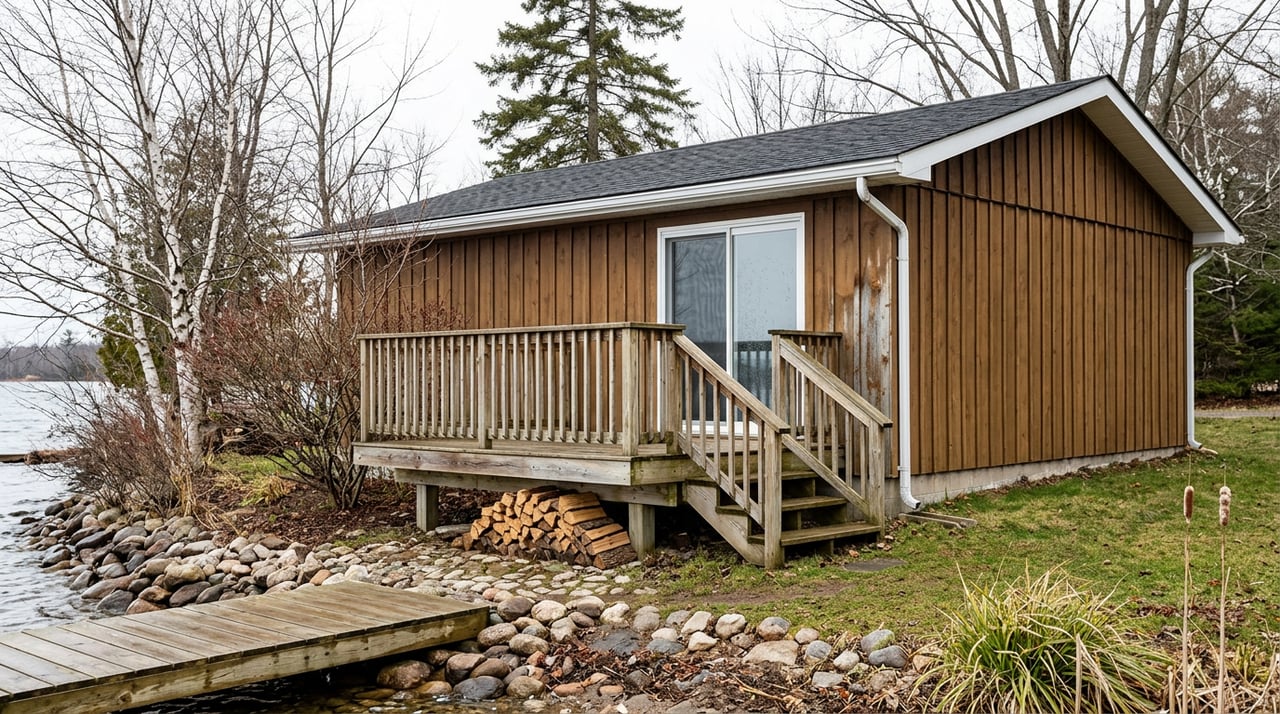
If you are selling near Conesus Lake, share how the property functions in winter. Disclose dock removal and storage practices, any winterization steps, and any known shoreline or ice‑related damage. Include at least one winter view of the lake so buyers can picture the off‑season setting.
For rural properties with wells and septic systems, have maintenance records ready and consider pre‑listing checks. Provide practical notes about winter access, such as driveway slope, turnarounds for plow trucks, and typical plowing schedules on nearby roads. Check Town of Livonia and Livingston County guidance about sidewalk clearing and local requirements so buyers know what to expect.
Ready to list with confidence
A strong winter listing is about comfort, clarity, and access. When your home is warm, well‑lit, easy to tour, and priced with current comps, you can capture motivated buyers and keep days on market in check. If you want hands‑on staging ideas, thoughtful listing copy, and professional marketing with regional distribution, connect with Aimee Campbell. Start with an instant valuation and a custom winter plan that fits your timeline.
FAQs
Is winter a good time to sell in Lakeville?
- Yes, if you price correctly and present well, lower inventory and motivated buyers can work in your favor even though overall buyer traffic is lighter.
How should I price my Lakeville home in winter?
- Use comps from the last three to six months and include prior winter sales, then decide whether to price for early attention or at market value with room to negotiate.
What photos work best for a winter listing?
- Bright interior shots taken during peak daylight, a safe and tidy entry, a twilight exterior with lights on, and a winter lake view if applicable.
How do I handle showings during snow and ice?
- Keep paths cleared and salted, provide a mat for footwear, set a comfortable thermostat, and share parking or access instructions for tricky driveways.
What should lakefront sellers disclose in winter?
- Dock removal and storage, winterization routines, and any known shoreline or ice‑related damage, plus a photo that shows the winter view and access.
Do I need pre‑listing well or septic checks?
- It is wise to gather well and septic records and consider pre‑listing inspections, since rural buyers often ask for this information and factor it into offers.